Design & Space
Rooms That Have To Do Two Jobs
A room serving two purposes fails when both are always present, and the workable approach is making one function retreat when the other is in use.
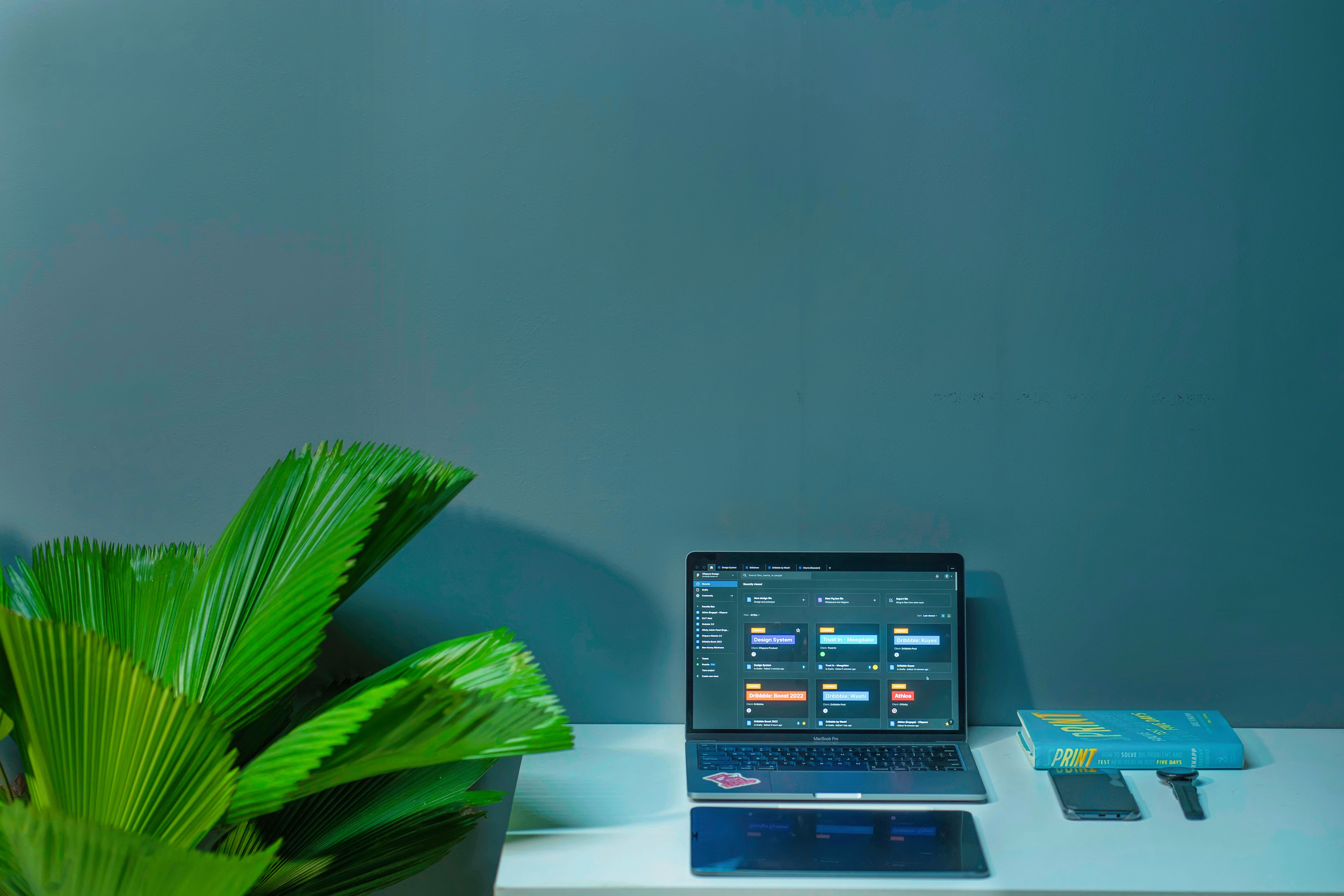
Home offices in bedrooms, dining rooms used for homework and guest rooms doubling as storage all pose the same problem. Two functions occupy the same space and neither works properly.
The functions interfere psychologically as well as physically
A visible desk in a bedroom keeps work present in a space intended for rest, and the reverse is equally true during the working day.
The interference is not about square footage. It is that each function carries cues, and the cues for one undermine the other.
Which is why the successful arrangements are the ones where the dormant function becomes invisible rather than merely compact.
Concealment beats compactness
A small desk left in view occupies attention continuously, while a larger one behind a door or a screen occupies none when it is closed.
Cabinets that hold a working setup, folding screens and even a curtain across an alcove all achieve the same separation without a wall.
The requirement is that closing it takes seconds, since anything that takes longer will simply not be done on most days.
One function should have priority
Trying to serve both equally usually produces a room that does neither well, with compromises in lighting, seating and layout on both sides.
Deciding which use is primary lets the room be arranged properly for it, with the secondary use accommodated rather than balanced against it.
A bedroom that contains a desk is a bedroom; the desk should fit around the sleeping arrangement rather than the other way round.
Lighting has to be separable
A single ceiling light cannot serve a bright task and a low-lit evening, so a dual-purpose room needs at least two independent sources.
A dedicated task lamp switched separately lets the working light exist only when it is needed and disappear entirely when it is not.
The same reasoning applies to a dining table used for homework, where a directed light over the surface serves the task without turning the whole room into a workspace.
Storage decides whether the transition happens
Switching a room between uses only works if everything belonging to the inactive function has somewhere to go within reach.
Where it does not, papers and equipment stay out, and the room reverts to permanently serving both badly.
A single container that holds the whole working setup, and a place to put it, is often the entire difference between a scheme that lasts and one that collapses in a fortnight.
Also by Ines Cardoso
- Growing herbs properlyPlants & Garden
- Buying less in the first placeOrganising
- Choosing and arranging artDesign & Space
- Dust, allergens and indoor airCleaning & Care