Cleaning & Care
Laundry problems and how to solve them
Grey whites, smelly towels, machines that smell and clothes that wear out early all have identifiable causes.
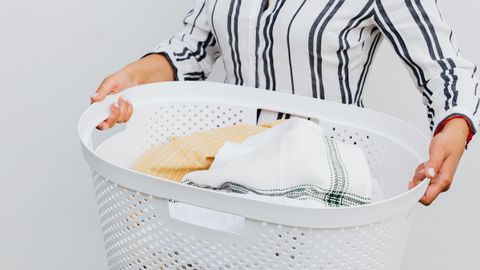
Most laundry complaints trace back to a small number of causes, and once identified they are straightforward to fix.
Whites that have gone grey
The most common cause is detergent and soil redepositing, which happens when the machine is overloaded, the water is hard, or too little detergent is used.
Grey whites are dirty rather than faded, which is why bleaching does not fully fix them.
The fixes: load the machine to about three-quarters, use the correct detergent dose for the water hardness and soil level, wash whites separately, and use an oxygen-based bleach which works progressively.
A hot wash occasionally rather than always cool also helps.
Towels that smell when wet
The classic problem, and the cause is bacterial growth combined with residue.
Fabric softener is a substantial contributor: it coats fibres, reducing absorbency and trapping residue, and towels are exactly where it should never be used.
The fix: stop using softener on towels entirely; wash at a higher temperature; use a good detergent dose; do not leave wet washing in the machine; and dry fully and quickly.
A wash with an oxygen bleach or a stripping wash resets towels that have accumulated years of residue.
A machine that smells
Caused by biofilm in the drum, seal and detergent drawer, which builds up with low-temperature washing and liquid detergents.
The fix: run an empty maintenance wash at the highest temperature monthly, with a machine cleaner or a measure of powder detergent, which contains bleaching agents that liquids do not.
Clean the door seal, wiping under the fold where water and debris collect.
Remove and clean the detergent drawer.
Clean the filter, which most people have never opened and which explains a great deal.
And leave the door and drawer open between washes so it dries.
Clothes wearing out quickly
Several causes.
Washing too frequently, which is the largest one — most garments other than underwear and gym clothing do not need washing after a single wear, and airing is frequently sufficient.
Washing too hot, which shrinks and degrades fibres.
Tumble drying, which is responsible for a substantial proportion of garment wear — the lint in the filter is the fabric itself.
Overloading, which causes abrasion.
And zips and hooks left open, which catch on other items.
Turning garments inside out, using a mesh bag for delicates, and fastening everything before washing all extend life measurably.
Bobbling and pilling
Caused by abrasion, which is why it appears where garments rub.
It is more common in shorter-fibre and blended fabrics.
Reduce it by washing inside out, on gentler cycles, in mesh bags, and by not tumble drying.
Remove it with a fabric shaver or comb rather than pulling, which damages the weave.
Stiff washing
Common in hard water areas, where mineral deposits build in fibres.
A water softener or a detergent formulated for hard water addresses it, as does adding a small amount of white vinegar in the rinse, which also removes detergent residue.
Line drying in wind produces softer results than still air; a short tumble at the end of line drying softens without the full drying cycle.
Detergent choices
Practical points.
Powder detergents generally clean better and contain bleaching agents that liquids do not, which matters for whites and machine hygiene.
Liquids and capsules are better for colours and for lower temperatures.
Biological detergents contain enzymes that are markedly better on protein and starch stains and should not be used above the temperature at which the enzymes are destroyed.
Non-biological is for sensitive skin, at some cost in performance.
And dosing correctly matters in both directions: too little leaves soil, too much leaves residue.
The environmental note
Worth mentioning since it aligns with garment life.
Washing at lower temperatures, washing less often, filling the machine, and line drying all reduce energy use substantially and extend the life of clothing simultaneously.
Microfibre release from synthetic garments is a genuine concern, reduced by fuller loads, gentler cycles, cooler washes and filter bags.
Which means the environmentally better practice and the practice that keeps clothes usable longer are largely the same thing.
Also by Ben Akerlund
- Outdoor space, however smallDesign & Space
- When to call a professionalRepairs & DIY
- Rugs, and the mistakes people make with themDesign & Space
- Growing from seedPlants & Garden