Design & Space
Outdoor space, however small
A yard, a balcony or a doorstep is usable space, and treating it as a room changes how it is used.
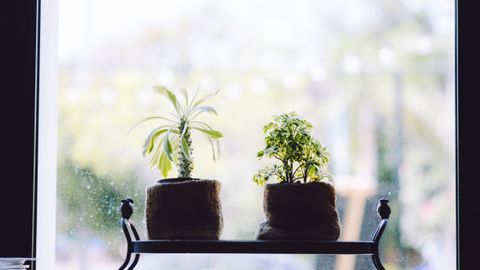
Small outdoor spaces are commonly treated as leftover ground rather than as rooms, which is why so many go unused for years.
The single decision that matters
Whether there is somewhere comfortable to sit.
A space with a comfortable seat gets used; a space without one does not, regardless of how well planted it is.
Which means the seating decision comes before the planting decision, and the seat should be genuinely comfortable rather than merely present.
The corollary: place the seat where you would actually want to sit — where the sun is at the time of day the space is used, sheltered from wind, and not facing a wall or a bin.
Observing where the sun falls across a day, before deciding, is worth the effort.
Making a small space feel larger
Which uses the same principles as interiors.
Do not place everything around the edges, which emphasises the boundary and shrinks the space.
Use the vertical surfaces — climbers, wall planters, trellis, shelving — which adds substance without floor area.
Obscure the boundary with planting, since a visible fence line is what makes a space read as small.
Create a partial screen so that not everything is visible at once, which suggests more space than there is.
Use larger paving units rather than small ones, and lay them to run with the longer dimension.
Limit the number of materials, since visual busyness shrinks a space.
And a mirror on a wall, used carefully and positioned so it does not reflect people directly, extends the space and needs to be an outdoor-suitable one.
Balconies specifically
Where constraints are real.
Weight limits matter and should be checked, since soil and water are heavy — a large container is substantially heavier than people expect.
Wind is the dominant factor, and it is stronger and more turbulent at height, which dries containers rapidly and damages plants.
Screening on the windward side, heavier containers, and wind-tolerant planting all help.
Drainage matters to the neighbours below, and saucers under containers avoid the complaint.
Fixings into the building are frequently prohibited by leases, which makes freestanding solutions and railing-mounted planters the practical route.
And checking the lease or tenancy for restrictions before spending is worth doing.
Planting for small spaces
What works.
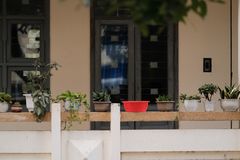
Fewer, larger containers rather than many small ones, which dry out constantly and look scattered.
Evergreen structure so the space is not bare for half the year.
Climbers, which use vertical space and cover boundaries.
Scented plants near the seating, which are disproportionately rewarding at close quarters.
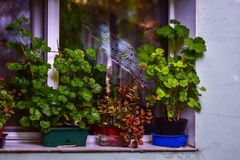
Herbs, which are useful as well as attractive.
And a small tree in a large container, which gives the space a canopy and makes it feel like a room.
Lighting
Which extends usable hours substantially and is the most underrated improvement.
Low-level and warm, rather than a single bright floodlight, which makes the space unpleasant and annoys neighbours.
Solar lighting has improved considerably and avoids any wiring, though performance depends on genuine sun exposure.
Any mains outdoor electrical work needs a qualified electrician and appropriate protection.
Candles and lanterns, used safely, do a great deal.
And lighting a plant or a wall rather than the seating area produces a far better effect than lighting the people.
Shelter
Which determines how many days a year the space is usable.
Shade for hot afternoons — an umbrella, a sail, a pergola with a climber.
Shelter from wind, which affects comfort more than temperature.
And something for cooler evenings, whether a blanket basket or a heat source used sensibly, which extends the season by weeks at each end.
Maintenance
Worth designing for.
Choose materials that survive weather without annual attention, and finishes that can be renewed easily.
Choose planting suited to the exposure rather than fighting it.
Consider an irrigation solution or self-watering containers if the space will be left in summer, since containers in a hot small space dry out within a day.
And store cushions and soft items somewhere dry, since the alternative is replacing them every year.
Also by Ben Akerlund
- Laundry problems and how to solve themCleaning & Care
- When to call a professionalRepairs & DIY
- Rugs, and the mistakes people make with themDesign & Space
- Growing from seedPlants & Garden