Plants & Garden
Growing food in a small space
A balcony or a windowsill produces a genuinely useful quantity of some things and almost none of others.
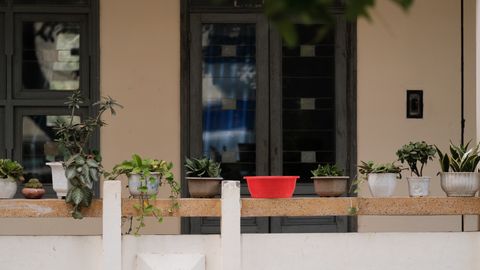
Growing food in containers works well for a specific set of crops and poorly for others, and choosing correctly is most of the difference between a productive balcony and a disappointing one.
What is genuinely worth growing
Judged by yield per container, by cost saving, and by how much better the home-grown version is.
Herbs, which are the clearest case.
They are expensive to buy, deteriorate quickly, are used in small quantities, and grow readily in small pots.
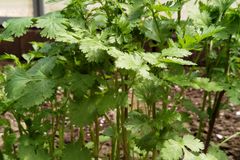
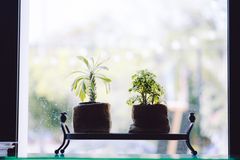
Mint, chives, parsley, thyme, rosemary, oregano and basil all work, with basil requiring more warmth and light than the others.
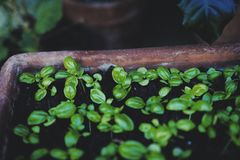
Salad leaves, which are cut-and-come-again, grow quickly, and are substantially better fresh.
A shallow container produces several cuttings over a season.
Tomatoes, particularly small varieties, which are the crop most people find most rewarding.
They require substantial sun — six hours or more — a large container, and consistent watering and feeding.
Chillies and peppers, which suit containers and warmth.
Radishes, which are fast and easy.
Spring onions, which take little space.
Strawberries, which suit hanging containers and produce over a long period.
What is not worth the space
Honest assessment.
Potatoes, which work in containers and produce a small quantity of something that is cheap to buy.
Sweetcorn, which needs to be grown in a block for pollination and takes a great deal of room.
Squashes and courgettes, which are enormous plants, though a single courgette plant in a very large container is viable and productive.
Brassicas, which are slow, large and prone to pests.
Onions and garlic, which occupy a container for most of a year for a small return.
The requirements
Light, which is the binding constraint.
Fruiting crops — tomatoes, peppers, courgettes — need six hours or more of direct sun.
Leafy crops and most herbs manage with four.
Below that, only mint, chives and some salad leaves will do much.
Observing where the sun actually falls, across a day and across the season, is worth doing before buying anything.
Container size, where people consistently go too small.
A tomato needs a container of at least thirty centimetres across; herbs manage in much less; salad leaves need depth of only fifteen centimetres but benefit from width.
Larger containers dry out more slowly, which is the main practical advantage.
Drainage, which is essential, and which means holes and a raised base.
Compost, which for containers should be a proper potting compost rather than garden soil, which compacts.
Water, which is the most common failure.
Containers dry out far faster than ground soil, and in summer a productive container may need watering daily or twice daily.
Which is worth being realistic about before starting, and which self-watering containers and grouped pots partially address.
Feeding, since container compost is exhausted within about six weeks.
A general liquid feed for leafy crops and a high-potash feed for fruiting ones, weekly during the growing season.
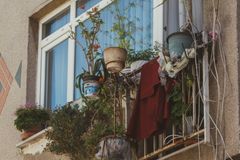
The practicalities of a balcony
Points worth checking.
Weight, since wet compost is heavy and balconies have load limits — worth checking with a landlord or management company for anything substantial.
Wind, which dries containers rapidly and damages tall plants, and which is worse at height.
Drainage and where water goes, since neighbours below will notice.
And whether any tenancy or building rules restrict what may be placed outside.
Starting
A recommendation for a first year.
Three or four herbs, a container of salad leaves, and one tomato plant if there is enough sun.
This costs very little, requires modest attention, and produces something usable within weeks.
Expanding from a small success is considerably more likely to continue than starting with a full balcony and abandoning it in July.
Feeding and watering containers
The part that determines whether a container crop produces anything.
Containers hold a limited volume of compost, whose nutrients are exhausted within roughly six weeks of active growth.
After that, feeding is not optional — a general liquid feed for leafy crops, and a high-potassium feed for anything fruiting, which is why tomato feed exists.
Watering is the more common failure.
Containers in summer may need water daily and sometimes twice daily, and inconsistent watering causes specific problems: split tomatoes, bitter cucumbers, bolted salad and blossom end rot.
Larger containers dry out more slowly and are therefore easier, mulching the surface reduces evaporation, and self-watering containers or a simple timed system solve the holiday problem.
Also by Rosalind Mayer
- Finishing a room, and knowing when to stopDesign & Space
- Making a home work for how you actually liveDesign & Space
- Bread, and why it is worth makingKitchen
- Storage that is part of the roomDesign & Space