Plants & Garden
Winter in the garden
The season with the least to do and the most consequence for the following year.
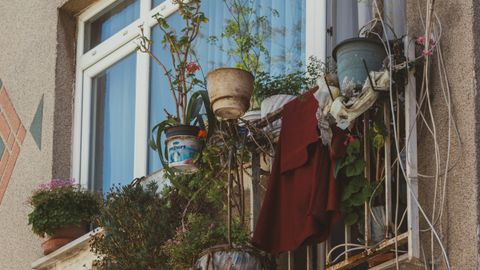
Winter gardening is largely about protection and preparation, and what is done or not done now determines a good deal of the next season.
Protecting plants
Where the losses occur.
Containers are the most vulnerable, since roots in a pot are exposed to cold on all sides rather than insulated by the ground.
Moving them against a wall, grouping them together, wrapping the pots with fleece or bubble material, and raising them on feet so they drain all help.
Waterlogging kills more container plants in winter than cold does, since frozen saturated compost destroys roots.
Tender plants that need to come indoors or into a frost-free space, which requires knowing which they are before the first frost rather than after.
Fleece or covers for borderline-hardy plants, applied when frost is forecast and removed when it passes, since permanent covering causes rot.
A mulch over the root area of borderline plants, which insulates the ground.
Not cutting back tender perennials, since the old growth protects the crown.
What to leave standing
The change from older practice.
Seed heads and dead stems provide food and shelter, and cutting everything back in autumn removes both.
Cutting back in late winter or early spring instead achieves the same tidiness with the wildlife benefit, and the frosted structure is genuinely attractive.
Fallen leaves left in borders break down and feed the soil, and shelter invertebrates.
The exception is leaves on lawns, which smother grass and should be cleared — into a leaf mould pile, which produces excellent material within a year or two.
The jobs worth doing
Winter is the time for work that is difficult in the growing season.
Structural pruning of deciduous trees and shrubs when dormant, subject to the timing rules discussed elsewhere on this site.
Mulching, which is easiest when borders are clear.
Digging or improving soil, though no-dig approaches simply mulch instead.
Cleaning, sharpening and oiling tools.
Cleaning pots and greenhouse glass.
Repairing fences, structures and paths.
Planting bare-root trees, shrubs and roses, which is the cheapest way to buy them and which is done in the dormant season.
And planting spring bulbs, which happens in autumn and which can continue into early winter for some species.
What not to do
Points worth observing.
Do not walk on frozen or waterlogged lawns, which damages the grass and compacts the soil.
Do not work soil when it is wet, which destroys its structure — the test is whether it sticks to boots.
Do not prune anything that flowers on old wood.
Do not feed, since plants are dormant and fertiliser is wasted or promotes growth that is then damaged.
And do not assume containers do not need watering — evergreens and containers under eaves dry out in winter and are frequently lost to drought rather than cold.
Wildlife in winter
Where a garden matters most.
Water is essential and freezes, which means checking and refilling.
Food supplementation is most valuable in the coldest weather.
Shelter — log piles, undisturbed corners, hedges — matters through the winter.
And disturbing hibernating animals is worth avoiding, which is an argument against clearing piles of material in midwinter.
Planning
The genuinely useful winter activity.
Reviewing what worked and what did not, while it is still remembered.
Ordering seeds, which is cheaper and offers far more choice than buying plants later.
Planning what to grow and where, including rotation for vegetables.
And looking at the garden's structure, which is visible in winter as it is not in summer — where the gaps are, what provides interest, and what the bones of the garden actually are.
Most improvements to a garden's year-round appearance are identified in January and implemented in spring.
Protecting the structures too
Which is where winter damage frequently occurs.
Drain and isolate outside taps and irrigation before the first frost, since a burst pipe inside a wall is an expensive consequence of a five-minute job.
Empty and turn terracotta pots that are not frost-proof, since water freezing in the clay splits them.
Raise remaining pots on feet so they drain.
Check that greenhouse glass, fence panels and shed roofs are secure before the first serious wind, since replacing them is far more work than fixing them.
Store cushions, tools and anything wooden under cover.
And clean and oil tools before putting them away, since a season's worth of rust develops over one damp winter in a shed.
Also by Ben Akerlund
- Outdoor space, however smallDesign & Space
- Laundry problems and how to solve themCleaning & Care
- When to call a professionalRepairs & DIY
- Rugs, and the mistakes people make with themDesign & Space