Plants & Garden
Attracting wildlife to a small garden
Small changes produce disproportionate results, and several standard practices are actively unhelpful.
Domestic gardens collectively cover a substantial area, and research consistently finds that small changes across many of them matter more than a few large habitats.
Water
The single most effective addition.
Even a small container of water — a washing-up bowl sunk into the ground, a large pot without drainage — supports amphibians, insects and birds.
The requirements: a shallow sloping side or a ramp so anything falling in can get out, some planting in and around it, and no fish, which eat everything else.
Studies of garden ponds have found them colonised remarkably quickly by species that arrive without introduction.
Where a pond is not possible, a shallow dish of water topped up regularly serves birds and insects.
Leaving things alone
The change that costs nothing and which most gardeners resist.
Leaving seed heads and dead stems standing over winter, which provides food and overwintering sites, and cutting back in spring rather than autumn.
Leaving a corner unmown, which supports insects substantially.
Research from participatory lawn projects has found that reducing mowing frequency increases flower abundance and insect numbers markedly.
Leaving fallen leaves in borders rather than clearing them, where they shelter invertebrates and feed the soil.
Leaving a log pile or a heap of prunings in a quiet corner.
Planting
What actually supports wildlife.
Single rather than double flowers, since double forms frequently have their nectar-producing parts bred out and are useless to pollinators.
A long flowering season, including early spring and late autumn when food is scarcest.
Early bulbs, willow catkins, ivy flowers and late-flowering perennials fill the gaps that a summer-focused garden leaves.
Native plants, which support more specialist insects, alongside non-natives that extend the season.
The evidence supports a mixture rather than exclusivity.
Trees and shrubs with berries and with dense structure for nesting.
Climbers on walls and fences, which add habitat without using ground.
Ivy specifically, which flowers very late, fruits in winter, and provides shelter — and which is unfairly maligned.
What to stop doing
Where the largest gains are.
Pesticides, including those marketed for domestic use, which kill non-target species.
Slug pellets containing metaldehyde have been restricted in several jurisdictions, and alternatives have their own considerations.
The practical alternative is tolerance, physical barriers and encouraging predators.
Peat-based compost, for the habitat and carbon reasons discussed elsewhere on this site.
Excessive tidiness, which removes the structure that wildlife uses.
Sealed boundaries. A gap at the base of a fence allows hedgehogs and other mammals to move between gardens, which they must do to survive.
Coordinated gaps across several gardens are considerably more effective than one.
Artificial grass, which supports nothing and which also affects drainage and soil life beneath.
Feeding
Which is popular and warrants care.
Bird feeders provide genuine support, particularly in winter, and they concentrate birds in a way that spreads disease.
Which means cleaning feeders regularly, moving them periodically, and removing them temporarily if disease is observed.
Guidance in some regions has changed following disease outbreaks, and checking current advice from a conservation organisation is worthwhile.
Water is at least as important as food and is more often forgotten.
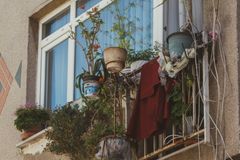
Balconies and yards
Where the same principles apply at smaller scale.
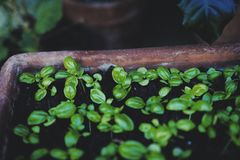
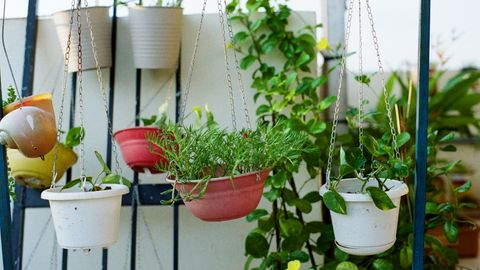
A container of pollinator-friendly plants supports insects.
A shallow water dish.
Climbers on a wall.
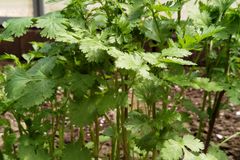
Herbs allowed to flower, which are excellent for pollinators.
And avoiding pesticides.
Studies of urban gardens have found substantial insect diversity even in very small spaces, which suggests that scale matters less than what is there.
The realistic expectation
Results appear within a season for insects and within a year or two for larger species.
What arrives depends on what is nearby, since a garden is a stepping stone rather than an island.
Which is why the coordinated version — several neighbouring gardens doing the same — produces disproportionately more than one, and is worth mentioning to neighbours.
What not to introduce
A caution that matters.
Do not move frogspawn, pond water, plants or soil between ponds, which is how disease and invasive species spread and which has been implicated in serious amphibian declines.
A new pond colonises itself, generally faster than people expect.
Check that pond and garden plants are not on the invasive species lists for your region, since several widely sold aquatic plants cause serious damage when they escape.
Avoid releasing anything bought, including ladybirds and other biological controls sold for gardens, unless the species is native and appropriate.
And be careful with netting and plastic mesh, which entangles birds, hedgehogs and reptiles routinely.
Also by Rosalind Mayer
- Finishing a room, and knowing when to stopDesign & Space
- Making a home work for how you actually liveDesign & Space
- Bread, and why it is worth makingKitchen
- Storage that is part of the roomDesign & Space