Plants & Garden
Growing herbs properly
Supermarket herb pots die within a fortnight for a reason, and the plants themselves are easy.

Herbs are the highest-value thing a household can grow: expensive to buy, used in small quantities, and dramatically better fresh.
Why bought pots die
Worth understanding, since it explains most herb failures.
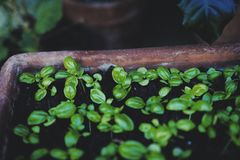
Supermarket pots contain many seedlings crammed into a small volume of compost, forced under glass, and intended to be used within days rather than grown.
They are competing for water and nutrients that a small pot cannot supply, and they collapse.
The fix, if you want to keep one: split it into three or four clumps and pot each into its own container with fresh compost.
Most will survive, and they will grow rather than decline.
The two groups
Which need entirely different treatment, and treating them the same is why herb gardens fail.
Mediterranean herbs — rosemary, thyme, sage, oregano, marjoram, lavender.
These evolved in poor, dry, sharply drained soil in full sun.
They want maximum light, gritty free-draining compost, minimal water and no feeding.
Overwatering and rich compost kill them, which is the opposite of most gardening instinct.
They are woody perennials and last years with light annual pruning.
Soft herbs — basil, coriander, parsley, chives, mint, dill.
These want moisture, reasonable fertility and consistent watering.
Most are annuals or biennials and need resowing.
They bolt in heat and stress, which ends their useful life.
The individual awkward ones
Basil wants heat and hates cold, wet feet and draughts.
Water in the morning, at the base, and keep it warm.
Pinch out the growing tips regularly, which produces a bushy plant rather than a leggy one that flowers and stops.
Coriander bolts at the slightest provocation — heat, drought, root disturbance.
Sow direct rather than transplanting, sow successionally every few weeks, and accept that each sowing is short-lived.
The bolted plant produces seed, which is a different and useful spice.
Mint is invasive and will take over any bed it is planted in.
Grow it in a container, always, including containers sunk into a border.
Parsley is slow and erratic to germinate, which is normal rather than failure, and it is biennial, so it flowers and ends in its second year.
Rosemary dislikes wet winters more than cold ones, which is why it dies in heavy soil and survives in a gritty pot against a wall.
Harvesting
Which affects the plant more than most people realise.
Harvest regularly, since most herbs respond by producing more.
Take from the top of soft herbs, cutting above a leaf pair, which encourages branching.
Never take more than about a third at once.
Remove flower buds from soft herbs to extend the leafy phase.
For woody herbs, take shoots rather than stripping leaves, and avoid cutting back into old bare wood, which frequently does not regrow.
Indoors
Where results are usually disappointing, for one reason: light.
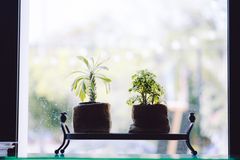
A kitchen windowsill provides far less light than the outdoors, and most herbs stretch, weaken and decline.
The brightest available window, turned regularly, is the minimum.
Chives, mint and parsley cope best; basil needs the most light and warmth; Mediterranean herbs generally do poorly indoors over winter and are better outside in a sheltered spot.
A grow light changes the outcome entirely for anyone serious about it.
Preserving a surplus
Since herbs arrive all at once.
Soft herbs freeze well chopped in oil or water in ice cube trays, which preserves flavour far better than drying.
Woody herbs dry well, hung in bunches somewhere warm, dark and airy, and keep their flavour for months in an airtight jar.
Herb butters and oils freeze.
And pesto and similar preparations freeze in portions, which turns a glut of basil into months of meals.
Buying plants rather than seed
Which is the better route for several herbs.
Woody perennials — rosemary, thyme, sage, bay — are slow from seed and are worth buying once as decent plants, since they last for years.
Mint, chives and tarragon are easiest from a division of an existing plant, which anyone growing them will give away.
Basil, coriander, dill and parsley are cheap and quick from seed and should be sown repeatedly rather than bought repeatedly.
Buying from a nursery rather than a supermarket gives a single well-grown plant rather than a crowded pot of seedlings, at a similar price and with a completely different outcome.
Also by Ines Cardoso
- Ceilings, and why nobody looks at themDesign & Space
- Buying less in the first placeOrganising
- Choosing and arranging artDesign & Space
- Dust, allergens and indoor airCleaning & Care