Plants & Garden
Houseplants that survive
Most houseplant deaths have the same three causes, and matching the plant to the room solves most of it.
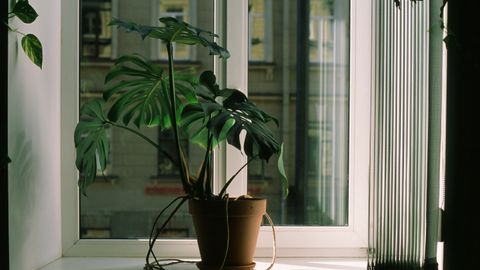
Houseplants die for a small number of reasons, and nearly all of them are addressable by choosing the plant to suit the conditions rather than the reverse.
The three causes
Overwatering, which kills more houseplants than anything else.
Roots require air as well as water, and permanently wet compost excludes air and causes root rot, which presents confusingly as wilting — leading people to water more.
Insufficient light. Plants sold as low light tolerate low light rather than preferring it, and most decline slowly in the positions people put them.
Light falls off very quickly with distance from a window: a plant two metres into a room receives a small fraction of the light at the glass.
Wrong plant for the conditions, which is the underlying cause of both.
Assessing your light honestly
The step that determines everything else.
A window facing the sun for much of the day gives bright light, with direct sun near the glass.
A window facing away gives bright indirect light near the glass and moderate light further in.
Anywhere more than two metres from a window, or in a room with a small window, is low light regardless of how bright it appears to the eye, which adapts.
A simple test: at midday, hold a hand a foot above the surface where the plant will sit. A sharp shadow indicates bright light; a soft shadow moderate; barely any shadow indicates low light.
What survives where
Genuinely low light: snake plant, ZZ plant, cast iron plant, pothos and some philodendrons.
These tolerate neglect and will grow slowly rather than dying.
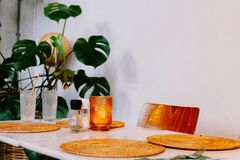
Moderate indirect light: spider plant, peace lily, monstera, rubber plant, dracaena, calathea if humidity is adequate.
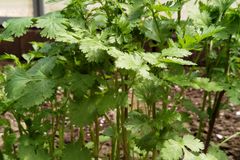
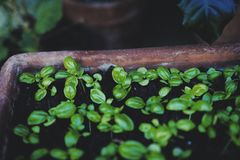
Bright light including some direct sun: most succulents and cacti, jade, aloe, citrus, herbs.
These are the plants people most often place in dark corners, where they stretch and fail.
Watering properly
The technique matters more than the frequency.
Check before watering by pushing a finger into the compost to a depth of a couple of centimetres. If it is damp, wait.
Watering on a schedule ignores the fact that requirements change enormously with season, temperature and light.
Water thoroughly when you do, until it runs from the drainage holes, then let it drain completely.
Small frequent amounts leave the lower compost dry and the roots shallow.
Never leave a pot standing in water, which is the direct route to root rot.
Reduce substantially in winter, when growth slows and light is lower.
Pots and compost
Two points that resolve a great deal.
Drainage holes are essential. A decorative pot without them should hold a plastic pot with them, removed for watering.
Pot size matters: a pot much larger than the root ball holds more water than the plant can use, which causes the same problem as overwatering.
Repotting is needed when roots emerge from the drainage holes or the plant dries out very quickly, and the new pot should be only slightly larger.
Compost should suit the plant — free-draining for succulents and cacti, standard houseplant compost for most others, and an open bark-based mix for orchids and many aroids.
The other requirements
Humidity, which most tropical foliage plants prefer and which centrally heated homes lack in winter.
Grouping plants together and standing pots on trays of damp pebbles helps; misting has little lasting effect.
Feeding, during the growing season only, at the dilution stated rather than more.
Cleaning leaves, since dust reduces the light reaching them substantially.
Turning pots periodically, so growth is even.
The common problems
Yellowing lower leaves generally indicates overwatering.
Brown crispy tips generally indicate dry air or irregular watering.
Leggy stretched growth indicates insufficient light.
Sudden leaf drop generally indicates a change — a move, a draught, a temperature shift — and frequently resolves.
And small flying insects around the compost are fungus gnats, which indicate compost that is too wet and which resolve when watering is reduced.
Also by Rosalind Mayer
- Finishing a room, and knowing when to stopDesign & Space
- Making a home work for how you actually liveDesign & Space
- Bread, and why it is worth makingKitchen
- Storage that is part of the roomDesign & Space