Design & Space
What You See From The Doorway
Rooms are judged in the first second from the entrance, and arranging for that sightline changes how a space reads more than any individual purchase.
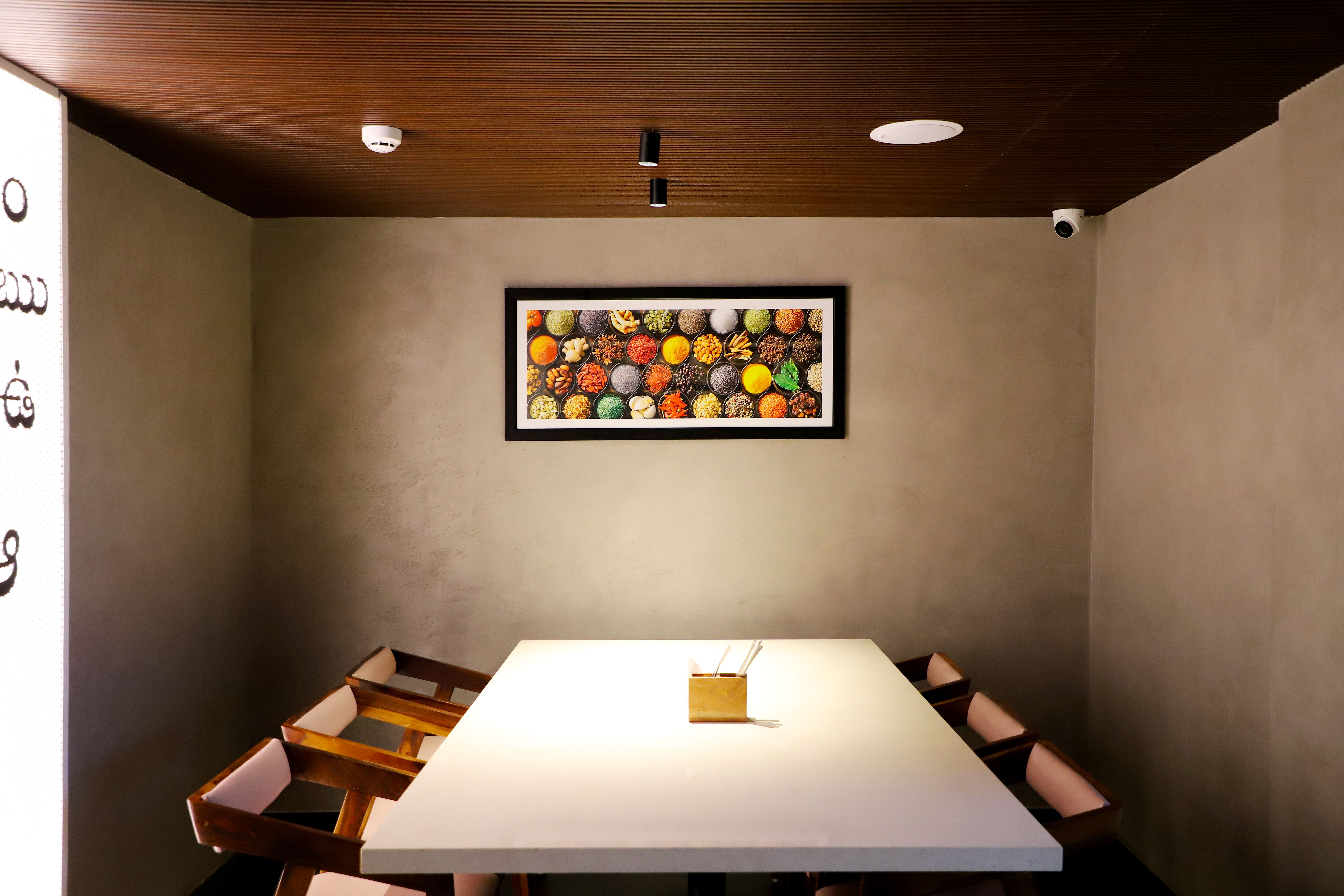
Every room has one view that people see far more often than any other: the one from the door. Most arrangements are made from inside the room, which is why that view is so often accidental.
The entry view is the room's first impression
Anyone entering takes in the space in a moment, and that impression is formed before they have moved or sat down.
What sits directly opposite the door is doing most of the work, whether it was chosen for that role or simply ended up there.
Standing in the doorway and looking is a step almost nobody takes while arranging furniture, and it is the cheapest available improvement.
Backs of furniture read as barriers
A sofa or a chair with its back to the entrance closes the room off visually, since the first thing seen is an unbroken vertical mass.
Where the layout requires it, a low-backed piece, a console behind it, or a lamp and plant break up that wall and soften the effect.
The alternative is angling the arrangement so the entering view runs into the seating area rather than the back of it.
Clutter concentrates where the eye lands
Surfaces near the door collect keys, mail and bags, and those surfaces are usually the most visible ones in the room.
The same objects on a surface further in would go largely unnoticed, which means the visual cost of the same clutter varies enormously by location.
Moving the drop zone slightly out of the entry sightline resolves more visual disorder than clearing it repeatedly does.
A focal point gives the eye a destination
A room without an obvious point of interest sends the eye searching, which registers as restlessness rather than as an absence.
A fireplace, a window with a view, a substantial piece of art or a well-lit shelf all serve, provided the arrangement points toward it.
Depth reads better than a flat wall
A view that ends immediately at a wall feels shallow, while one that passes through to a further space or a window suggests more room than there is.
Keeping the line from the door toward the deepest point in the space unobstructed is what creates that impression.
Which is often an argument for putting tall furniture on the walls beside the door rather than the wall in front of it, where it shortens the view.
Also by Ines Cardoso
- Growing herbs properlyPlants & Garden
- Buying less in the first placeOrganising
- Choosing and arranging artDesign & Space
- Dust, allergens and indoor airCleaning & Care