Organising
Bathroom Storage In A Small Room
Bathrooms defeat storage because humidity, limited wall space and daily-use items pull in different directions, and each needs a separate answer.
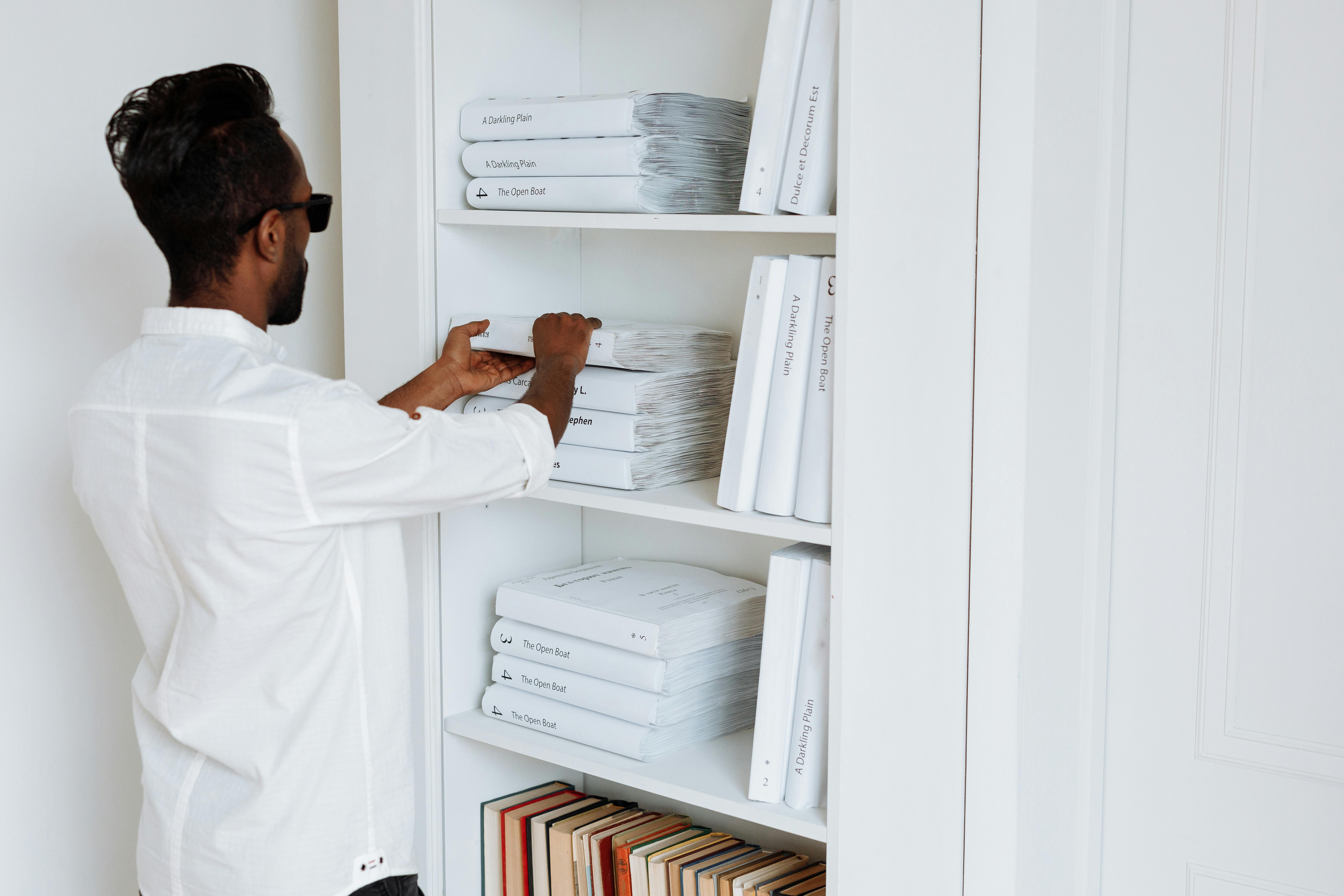
A small bathroom holds more distinct objects per square metre than almost any other room. The storage problem is made harder by conditions that damage most of the usual solutions.
Humidity rules out the obvious materials
Warm, wet air condenses on every cool surface after a shower and takes hours to clear in a room with poor ventilation.
Untreated timber swells, chipboard shelving delaminates from the edges inward, and steel fixings weep rust stains down tiles within a year.
Sealed surfaces, plastic, stainless or coated steel and solid timber with a proper finish survive. Everything else is a repair job waiting to happen.
Daily items and stored items behave differently
A handful of things are used every day by every person, and they need to be reachable wet-handed without opening anything.
Everything else, including refills, spare towels and infrequent items, can go behind a door, and putting it there is what makes the visible surfaces stay clear.
Mixing the two categories is why bathroom cabinets fill with old bottles while the daily items end up on the edge of the bath.
The wall is the available space
Floor area is fixed by the fittings, but the vertical space above the cistern, beside the door and above the door is usually completely unused.
Shallow depth is essential in a narrow room, because anything projecting far from the wall is caught by shoulders and elbows in daily use.
Fixings need care, since bathroom walls are often plasterboard over a stud frame or a boxed-in duct with nothing solid behind the surface at all.
The shower and bath edge
Items left in the wet zone sit in standing water, which is why bottles leave rings and why the underside of everything develops a film.
Storage in that zone needs to drain and to be removable for cleaning, since anything with a solid base becomes a small reservoir.
Suction fittings fail on textured tile and on grout lines. A tension rod or a fitting anchored above the wet area lasts far longer.
Reducing what has to be stored
Bathrooms accumulate part-used products that nobody will finish, and these occupy the accessible space that the daily items need.
Medicines are a separate case. Heat and humidity degrade many of them, so a bathroom cabinet is a poor place to keep anything that matters, and a cool cupboard elsewhere is better.
Where several people share the room, giving each a single container that leaves the surfaces at the end of use is more workable than assigning fixed shelves.
Also by Ines Cardoso
- Ceilings, and why nobody looks at themDesign & Space
- Growing herbs properlyPlants & Garden
- Choosing and arranging artDesign & Space
- Dust, allergens and indoor airCleaning & Care