Cleaning & Care
Removing stains
The category of stain determines the treatment, and applying the wrong one sets it permanently.
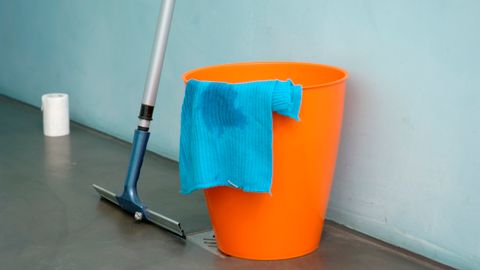
Stain removal is generally attempted with whatever is nearest, which is why so many stains become permanent.
The universal rules
Applicable to almost everything.
Act immediately. Most stains are removable when fresh and difficult once set.
Blot, do not rub. Rubbing spreads the stain and damages fibres.
Work from the outside inward, which prevents spreading.
Test on a hidden area first, particularly on upholstery and carpet.
Cold water first for anything you cannot identify, since heat sets most stains.
Never tumble dry anything with a remaining stain, since the heat fixes it permanently.
Check after washing, before drying, and treat again if necessary.
The categories
Protein — blood, egg, dairy, sweat.
Cold water, never hot, which cooks the protein into the fibre.
Biological detergent, which contains enzymes that break protein down, is the appropriate treatment, with a soak for stubborn cases.
Tannin — tea, coffee, wine, fruit juice.
Rinse with cold water, then treat with detergent.
Do not use soap on tannin stains, which can set them.
Oil and grease — food oil, cosmetics, butter.
Absorb what you can with talc or cornflour, then treat with washing-up liquid, which is formulated for exactly this.
Warm water helps here, unlike with protein.
Dye — ink, grass, some fruit.
Alcohol works on many ink stains; grass responds to enzyme detergent and sometimes to alcohol.
Combination stains — chocolate, gravy, makeup — which contain more than one type and generally require treating the grease first and the remainder second.
The specific ones people ask about
Red wine: blot immediately, cover with salt or absorb with a cloth, then treat with cold water and detergent.
The white wine remedy has limited evidence; dilution and prompt blotting are what actually help.
Blood: cold water immediately, then enzyme detergent.
Hydrogen peroxide works on white fabrics and bleaches coloured ones.
Coffee and tea: cold rinse, then detergent, with a longer soak for older marks.
Grease on clothing: washing-up liquid worked in, left for a period, then washed as hot as the fabric permits.
Ink: alcohol applied to a cloth beneath and above, blotting through.
Candle wax: harden with ice, scrape off, then place absorbent paper over the residue and apply a warm iron so the wax transfers.
Rust: requires acid rather than bleach, which sets it.
Curry and turmeric: notoriously difficult, and sunlight is genuinely effective on the residual yellow.
Upholstery and carpet
Where over-wetting causes more damage than the stain.
Blot rather than pour.
Use minimal liquid, since water penetrating the backing causes marks that wick back to the surface as it dries, and slow drying causes odour.
Work from outside in.
Blot dry afterwards and dry as quickly as possible, with ventilation.
Check the manufacturer's cleaning code where one exists, since some fabrics must be cleaned with solvent rather than water.
What makes things worse
Common errors.
Hot water on protein stains.
Rubbing.
Bleach on rust or on anything with a dye that will not tolerate it.
Excess product, which leaves residue that attracts dirt and creates a ring.
Mixing products, which is both ineffective and potentially dangerous.
And drying before checking, which is the single most common way a removable stain becomes permanent.
When to stop
The judgement worth making.
Repeated aggressive treatment damages fibres and colour, and at some point the damage exceeds the stain.
For valuable, delicate or sentimental items, professional cleaning before attempting anything is the better decision, since a failed home attempt can make professional removal impossible.
The rules that apply to everything
Which matter more than any individual remedy.
Act immediately, since almost every stain is removable while fresh and many are permanent once set.
Blot rather than rub, since rubbing drives the stain into the fibres and damages the surface.
Work from the outside inward, which prevents spreading.
Use cold water first for protein stains — blood, egg, dairy — since heat sets them permanently.
Test any treatment on a hidden area first.
Never apply heat, including a tumble dryer or an iron, until you are certain the stain has gone, since heat is what makes a partially removed stain permanent.
And do not combine treatments, particularly anything containing bleach with anything else.
General information only, not safety advice. Test on a hidden area first, never mix cleaning products, and follow garment care labels.
Also by Rosalind Mayer
- Finishing a room, and knowing when to stopDesign & Space
- Making a home work for how you actually liveDesign & Space
- Bread, and why it is worth makingKitchen
- Storage that is part of the roomDesign & Space