Cleaning & Care
Kitchen hygiene, proportionately
Some kitchen practices matter substantially for food safety and others are theatre, and the distinction is well established.
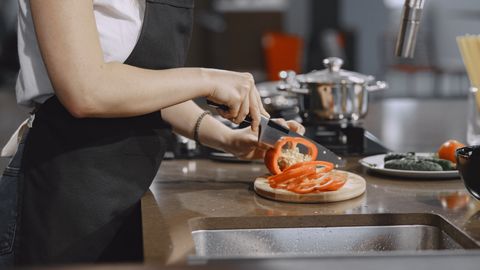
Food safety advice covers a wide range of practices, and the evidence supports some strongly and others hardly at all.
What matters most
The practices with the strongest evidence.
Handwashing, properly and at the right times — before handling food, after handling raw meat, after using the toilet, after touching bins, pets or your face.
Twenty seconds with soap, covering the whole hand, and drying, since wet hands transfer more than dry ones.
This is the single most effective intervention by a wide margin.
Cooking to adequate temperature, particularly poultry, minced meat and reheated dishes.
A thermometer removes the guesswork, and the guidance on colour as an indicator is unreliable.
Cooling and storing promptly. Cooked food cooled quickly and refrigerated within a couple of hours, and refrigeration at or below five degrees.
Separating raw and ready-to-eat foods, in storage and in preparation.
Raw meat on the bottom shelf, separate boards and utensils, and washing hands and surfaces between.
Observing use-by dates on high-risk foods, which are a safety instruction rather than a quality one.
What matters less than assumed
Where practice has diverged from evidence.
Washing raw chicken, which food safety authorities actively advise against.
It does not remove bacteria, which are killed by cooking, and it spreads them by splashing to surfaces up to a substantial distance.
This is the clearest case of a traditional practice that increases rather than reduces risk.
Antibacterial products on every surface, where ordinary cleaning is generally adequate.
Disinfection is warranted in specific situations — after raw meat, during illness, on high-touch surfaces — rather than universally.
The five-second rule, which has been tested and which does not hold: transfer occurs immediately, with the amount depending on the surface and the moisture of the food.
Elaborate produce washes, where rinsing under running water is what official guidance recommends.
The items that are actually dirty
Studies of domestic kitchens consistently identify the same things.
Dishcloths and sponges, which are the most heavily contaminated items in most kitchens.
They are wet, warm and full of organic matter, which is ideal for bacterial growth.
The response: use them for short periods, wash them hot or replace them frequently, and dry them between uses rather than leaving them wet in the sink.
The sink itself, which is frequently more contaminated than the toilet, since food waste and raw meat juices go into it.
Chopping boards, particularly plastic ones with deep knife scores.
Refrigerator handles and tap handles, which are touched with contaminated hands.
Reusable shopping bags, which are rarely washed and which carry raw meat packaging.
The practical routine
What actually needs doing.
Wash hands at the points listed above.
Clean surfaces with detergent after preparation, and disinfect after raw meat.
Change or wash cloths frequently and dry them.
Clean the sink daily.
Wash boards thoroughly and replace plastic ones when heavily scored.
Keep the refrigerator at the correct temperature and clean spills promptly.
And clean the bin area, which is frequently neglected.
Higher-risk situations
Where more caution is warranted.
Pregnancy, where specific foods are advised against — certain cheeses, undercooked meat and eggs, and some fish among them.
Young children, older adults and anyone with a compromised immune system, where the consequences of infection are more severe.
Illness in the household, where surfaces and hand hygiene matter more.
And preparing food for others, particularly in quantity, where the consequences of an error are multiplied.
The proportionate position
A kitchen does not need to be sterile, and cannot be.
What it needs is that raw and ready-to-eat foods are kept apart, that hands and surfaces are washed at the right moments, that food is cooked and stored properly, and that the wet items are not allowed to become reservoirs.
Those five things address the great majority of domestic foodborne illness, and everything else is secondary.
General information only, not medical or food safety advice. Follow official food safety guidance for your jurisdiction, particularly if you are pregnant or preparing food for vulnerable people.
Also by Ines Cardoso
- Ceilings, and why nobody looks at themDesign & Space
- Growing herbs properlyPlants & Garden
- Buying less in the first placeOrganising
- Choosing and arranging artDesign & Space