Plants & Garden
Planting Trees Near A House
Mature size, root spread and drainage decide whether a tree near a house is an asset, and most problems come from choosing a species for how it looks when small.
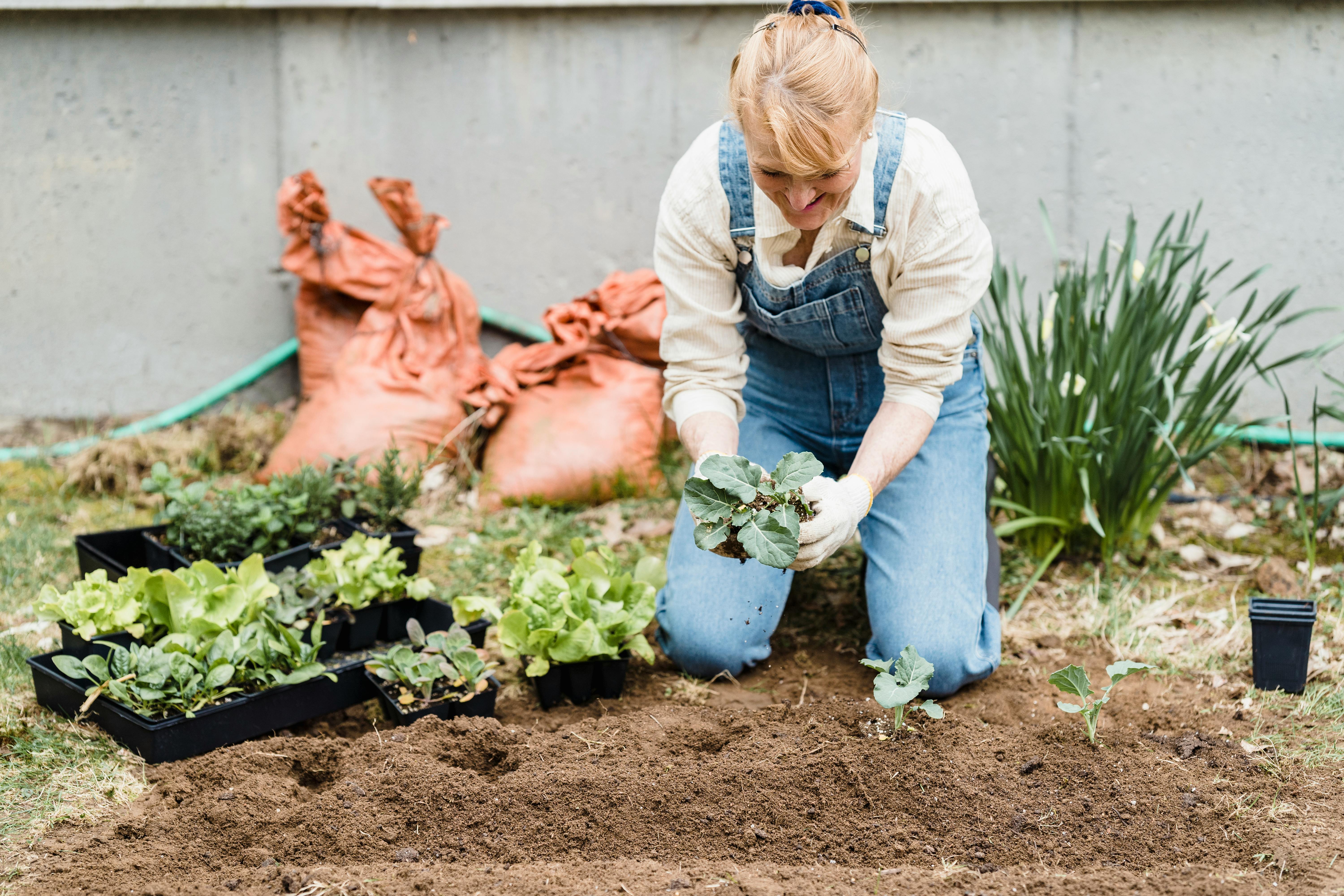
A tree planted close to a house is a decision with a long horizon, and the mistake is almost always made at planting rather than later. What matters is the tree's mature dimensions, not its size in the pot.
Roots spread outward, not downward
The popular image of roots mirroring the branches underground is wrong for most species. The majority of a tree's roots sit in the top few feet of soil.
They extend well beyond the branch spread, following moisture and oxygen, which is why a tree can affect ground some distance from its trunk.
Roots do not seek out pipes and foundations, but they do exploit cracks and damp ground where water is already leaking, which is why damage tends to appear at existing faults.
Soil movement is the real risk in some ground
Clay soils shrink as they dry and swell as they wet. A large tree drawing water from clay near a foundation can deepen seasonal drying.
The movement, not the root itself, is what stresses a structure. This is why guidance about planting distances is much stricter on shrink-swell clay than on sand or loam.
Removing a mature tree from such ground can be as disruptive as planting one, since the soil then rehydrates and swells over several seasons.
Canopy and light change the house too
A deciduous tree on the sunny side shades in summer and lets light through in winter, which is the classic argument for placing one there.
Evergreens placed the same way shade year-round, keeping rooms darker and damper in winter and slowing the drying of walls and roofs beneath them.
Debris and gutters
Anything overhanging a roof drops onto it. Leaves, needles, seeds and fruit all end up in gutters and valleys, where they hold water against roofing materials.
Fruiting trees over a driveway or walkway create a seasonal mess and a slip hazard that is entirely predictable at the time of planting.
Choosing for mature size solves most of it
Nursery labels give an eventual height and spread, and those figures are the ones that should drive placement rather than the current appearance.
Small ornamental species exist for nearly every use a large shade tree would serve close to a building, and they avoid the whole class of problems.
Where a large tree is wanted, distance is the only real control, and giving it room at planting is far cheaper than managing the consequences for decades.
Also by Rosalind Mayer
- Finishing a room, and knowing when to stopDesign & Space
- Making a home work for how you actually liveDesign & Space
- Bread, and why it is worth makingKitchen
- Storage that is part of the roomDesign & Space