Plants & Garden
What Actually Draws Pollinators In
Pollinators are recruited by flower shape, color, bloom timing and nesting sites, so a garden can be full of flowers and still support very few insects.
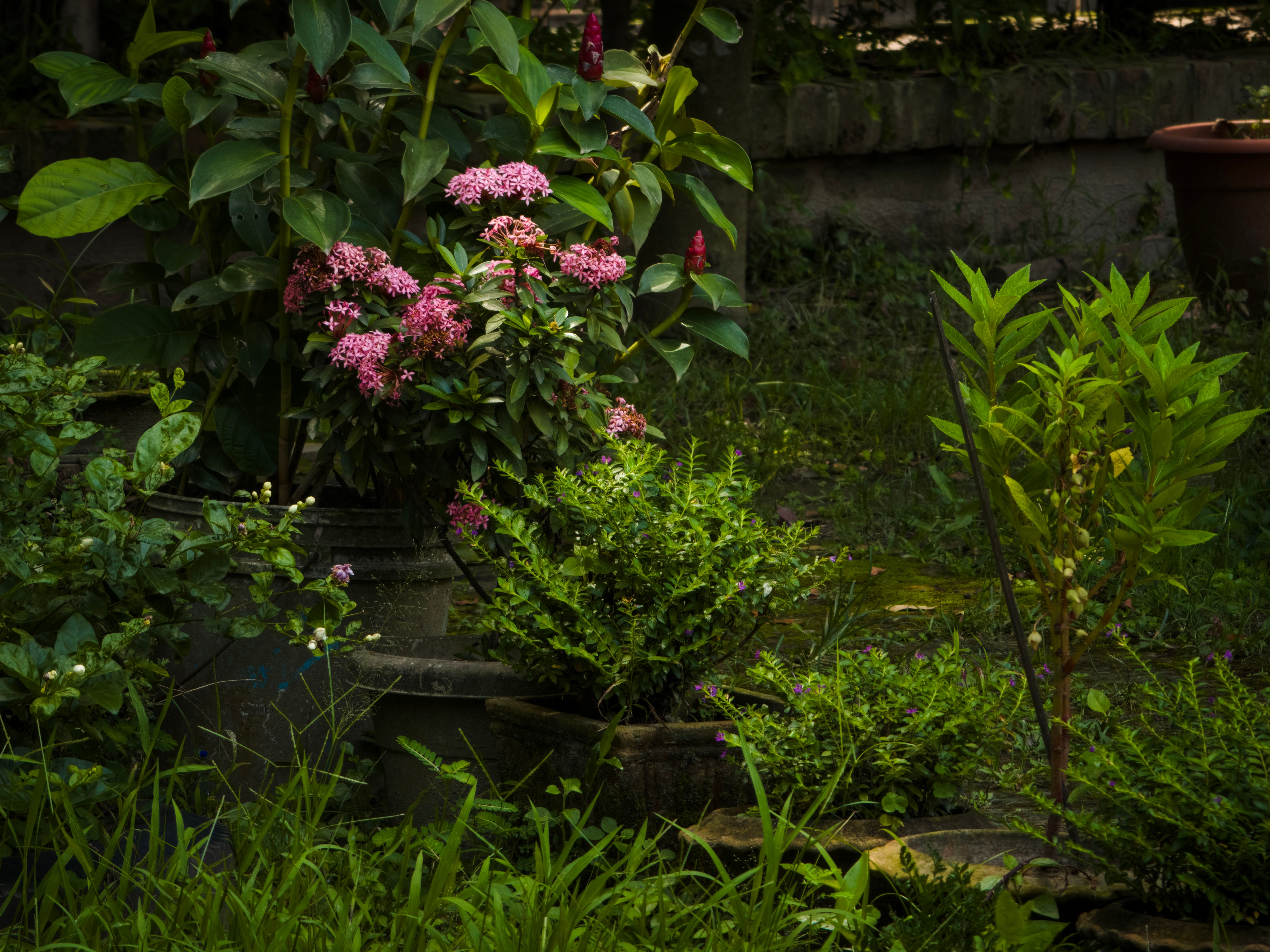
A yard can be crowded with blooms and still attract remarkably little insect activity. What pollinators respond to is narrower than flower count, and most of it is decided when plants are chosen.
Flower shape decides who can feed
A long tubular flower can only be worked by an insect with a proboscis long enough to reach the nectar, which excludes most short-tongued bees entirely.
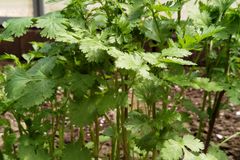
Open, flat flowers such as those in the carrot and daisy families are accessible to almost everything, including flies, beetles and small wasps that do a great deal of unnoticed pollination.
Doubled ornamental varieties are the common failure. Extra petals are usually modified reproductive parts, so the flower may offer little or no nectar and pollen at all.
Bloom timing matters more than peak abundance
Insects need food across their whole active season, not only in the weeks when a garden looks its best.
Early spring and late fall are the pinch points, when few things are flowering and overwintering queens or late-generation adults still need fuel.
A planting arranged so that something is always in bloom supports far more insect life than a larger garden that peaks in June and empties afterward.
Nesting sites are the missing half
Most native bees in North America are solitary, and the majority nest in bare ground rather than in hives or boxes.
A yard mulched edge to edge, weeded to bare soil then covered, or entirely paved offers nowhere for them to dig, however many flowers it holds.
Hollow stems, dead wood and undisturbed patches of soil provide for the rest, which is why leaving some stems standing over winter is more useful than it looks.
Color and scent are signals, not decoration
Bees see well into the ultraviolet and poorly at the red end, which is why so many bee-visited flowers are blue, purple and yellow.
Many flowers carry ultraviolet patterns invisible to us that act as landing guides, directing an insect toward the nectar in the center.
Planting in blocks beats scattering
Foraging insects work efficiently when they can visit many flowers of one species without traveling far, and they tend to stay with a species while it pays.
A single plant of a kind is often passed over, while a group of the same plant registers as worth the trip and holds insects in the garden longer.
Grouping also happens to look deliberate rather than scattered, so the arrangement that works ecologically is usually the one that reads better as a planting.
Also by Rosalind Mayer
- Finishing a room, and knowing when to stopDesign & Space
- Making a home work for how you actually liveDesign & Space
- Bread, and why it is worth makingKitchen
- Storage that is part of the roomDesign & Space