Plants & Garden
Why Weeds Keep Coming Back
Weeds return because soil holds a long-lived seed bank and many species regrow from root fragments, so clearing ground is a trigger as much as a solution.
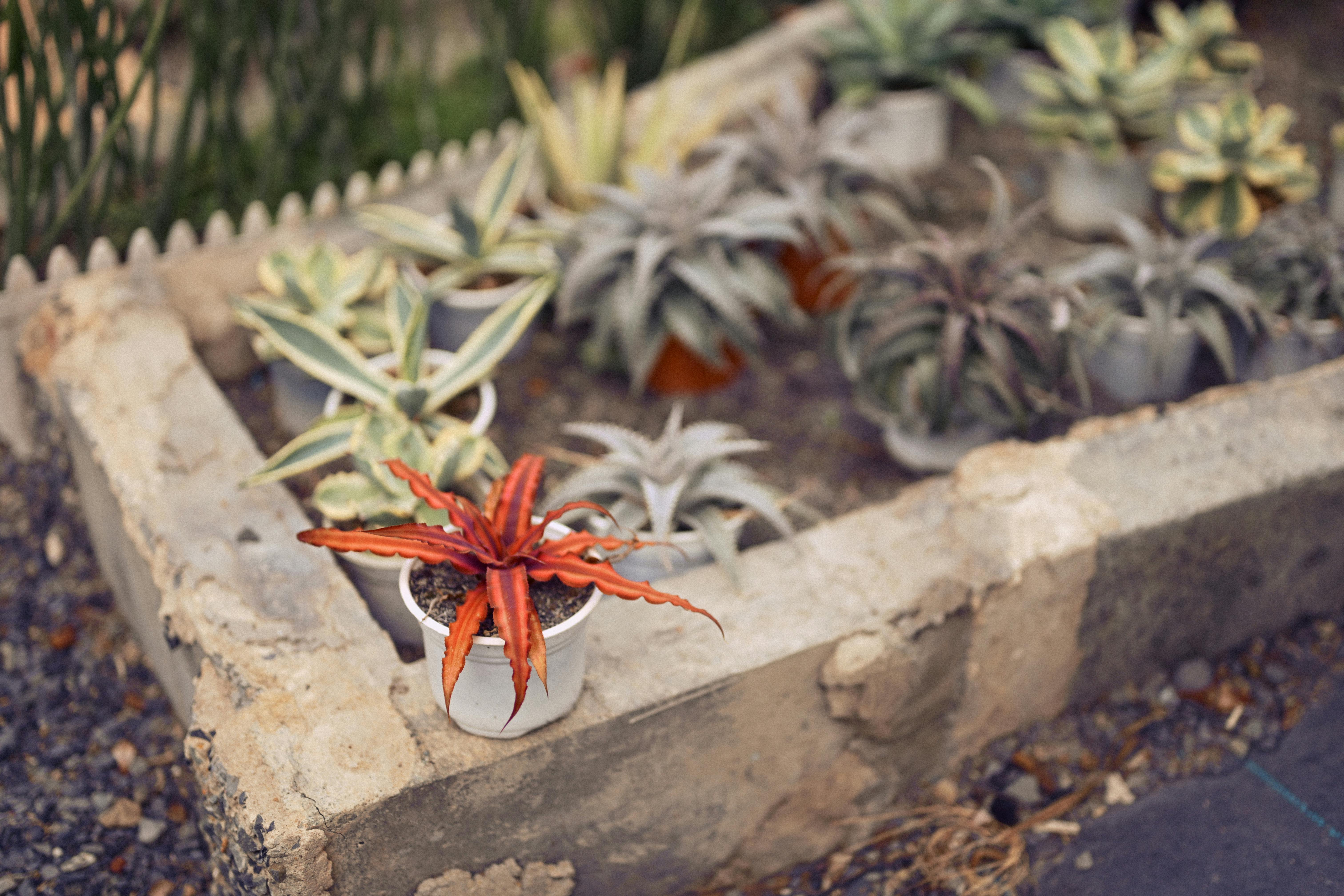
Ground cleared thoroughly in spring is often green again within weeks. The plants have not blown in from somewhere; most of them were already present in a form that clearing activated.
Soil holds a bank of viable seed
Every square foot of garden soil contains a large reserve of weed seed accumulated over years, much of it buried too deep to germinate.
Many of those seeds remain viable for a very long time, some for decades, waiting for the conditions that signal an opening.
Which means a bed is never actually weed-free. It is a bed whose seed bank has not been triggered recently.
Disturbance is the trigger
Digging and tilling bring buried seed to the surface and expose it to light and warmer temperatures, which is exactly the cue many species use to germinate.
This is why a thoroughly dug bed sprouts a dense, even flush of seedlings within a couple of weeks while an undisturbed one does not.
Reducing disturbance and disposing of weeds before they seed shrinks the bank over time, which is the only durable way to reduce the pressure.
Perennial weeds regrow from roots
Species such as bindweed, thistle and quackgrass store energy in underground stems and roots, and they regenerate from small fragments left behind.
Chopping through them with a tiller multiplies the plant rather than removing it, turning one crown into many separate starts.
Patient removal by hand, or repeated cutting to exhaust the reserve, works where machinery does not, because the aim is to starve the root rather than to break it up.
Annual and perennial weeds need opposite tactics
Annual weeds live one season and depend entirely on setting seed, so the priority is preventing them from flowering, even if the plant itself is left in place.
Perennials survive the winter regardless, so pulling the tops does little and the priority is the root system instead.
Bare ground is the underlying condition
Weeds are simply plants that colonize open ground quickly, which is a role rather than a category. Anywhere soil is exposed, something will take it.
Ground covered by mulch, dense planting or a living cover crop offers no opening, and the pressure drops without any weeding at all.
Planting closely enough that the desired plants close over the soil is therefore a weed strategy as much as a design choice, and it works while you are not there.
Also by Rosalind Mayer
- Finishing a room, and knowing when to stopDesign & Space
- Making a home work for how you actually liveDesign & Space
- Bread, and why it is worth makingKitchen
- Storage that is part of the roomDesign & Space