Repairs & DIY
Choosing The Right Adhesive For A Repair
Glues fail because the wrong chemistry was chosen for the materials and the load, not because the bond was applied badly or too thinly.
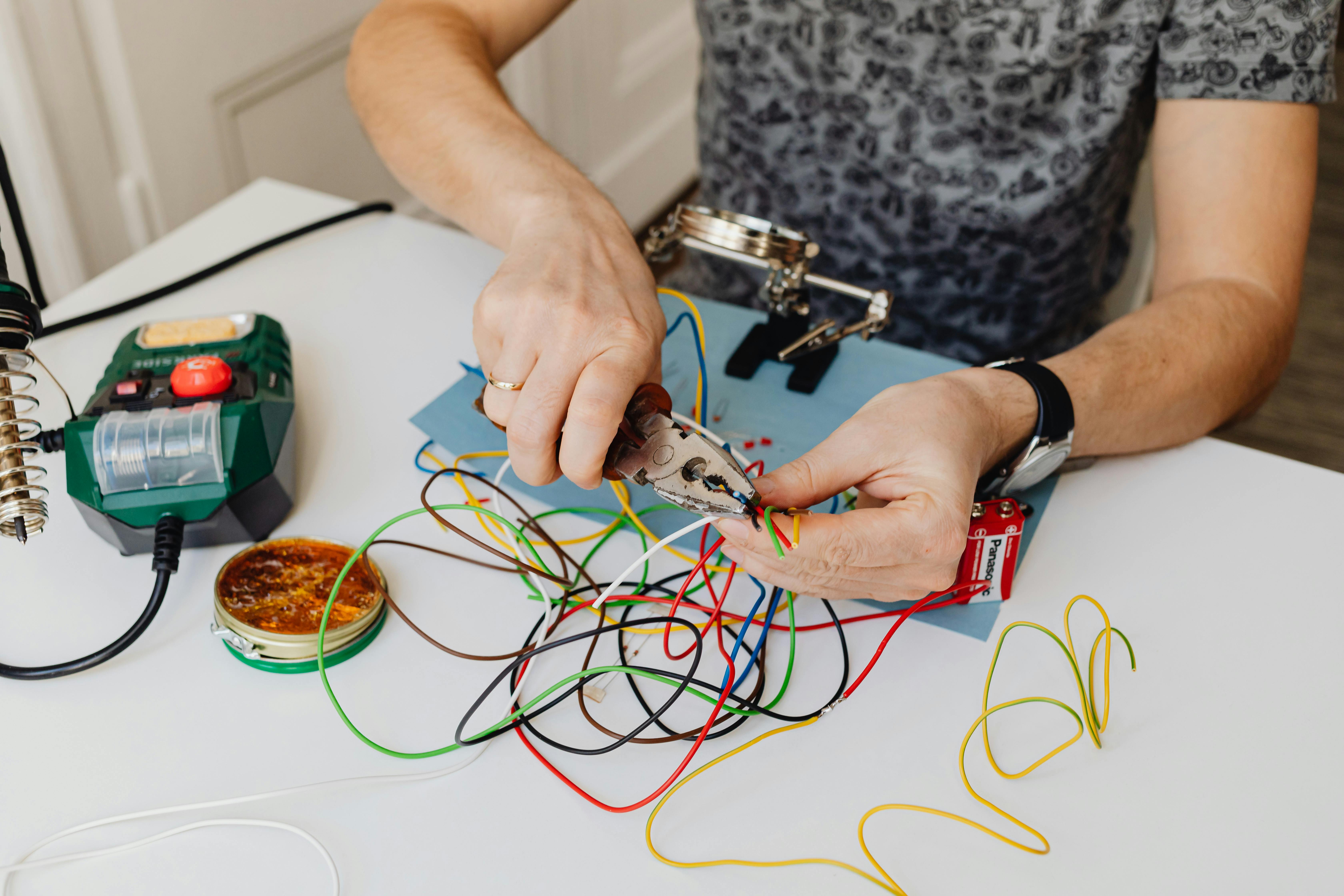
Most failed repairs were glued with whatever was in the drawer. Adhesives are specific chemistries with narrow strengths, and matching one to the materials and the load is most of the job.
Adhesion and cohesion are separate problems
A glue must stick to both surfaces and also hold together internally. A joint can fail either at the interface or through the glue line itself, and the causes are different.
Interface failure usually means contamination, a glossy surface or a chemistry that does not wet that material. Cohesive failure means the glue is too brittle or too soft for the load.
This is why a bond that peels apart cleanly and one that leaves glue on both faces are telling you two different things about what went wrong.
The common families and what they suit
Wood glues are water-based and cure by losing moisture into the timber. They form a joint stronger than the wood itself, but only on a close-fitting, clamped joint.
Cyanoacrylate sets in seconds by reacting with surface moisture. It is rigid and thin, so it suits small, tight-fitting, low-stress breaks in hard materials rather than gap-filling.
Two-part epoxies mix a resin and a hardener and cure by chemical reaction. They fill gaps, bond dissimilar materials and tolerate moisture, which makes them the general-purpose choice for structural repairs.
Flexibility is a requirement, not a compromise
Materials move. Timber swells with humidity, metal expands with heat, and anything outdoors cycles daily between the two.
A rigid adhesive across a moving joint concentrates that movement into the glue line, which cracks. Polyurethane and hybrid polymer adhesives stay slightly elastic and absorb it instead.
The same logic explains why sealants around baths and windows are deliberately soft. They are not weak glues, they are joints designed to move.
Preparation decides the outcome
Adhesives bond to the surface they touch, so dust, grease, old glue or a loose finish becomes the weakest layer in the joint.
Abrading a glossy surface gives mechanical key and increases the contact area. Degreasing afterwards removes the residue that abrading leaves behind.
Clamping matters for thin-film adhesives and not for gap-fillers. Over-clamping an epoxy squeezes out the glue that was doing the work.
Cure time and working time are different numbers
Working time is how long you have to position the parts, and cure time is how long until the joint reaches full strength. The gap between them is often substantial.
Handling strength arrives early, which tempts people to load a joint far too soon. Full strength in some epoxies takes a day or more, and low temperatures extend it further.
Adhesives also age in the tube. A part-used cartridge that has skinned over or a resin that has crystallised will not reach its rated strength no matter how well the joint is prepared.
Also by Ines Cardoso
- Ceilings, and why nobody looks at themDesign & Space
- Growing herbs properlyPlants & Garden
- Buying less in the first placeOrganising
- Choosing and arranging artDesign & Space