Kitchen
Keeping food longer
A substantial share of household food waste comes from storing things in the wrong place, which is straightforward to correct.
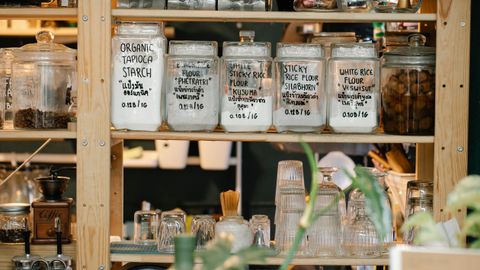
Household food waste is substantial, and studies of what is thrown away consistently find that much of it was edible and was discarded because it deteriorated faster than expected.
The refrigerator, properly used
Where most improvement is available.
Temperature should be at or below five degrees, and a substantial proportion of domestic refrigerators run warmer.
A cheap thermometer settles it, and adjusting the setting can add days to the life of everything inside.
Zones matter. The door is the warmest part and fluctuates most, which makes it the worst place for milk despite the moulded shelf.
The coldest area is generally the back and the bottom, which suits raw meat and fish — also the correct place for food safety, since anything dripping should not fall onto other items.
Drawers are designed to retain humidity and suit vegetables and salad.
Do not overfill, since air must circulate.
What should not be refrigerated
Several common errors.
Tomatoes, which lose flavour and develop a mealy texture below about twelve degrees.
Potatoes, where cold converts starch to sugar, affecting taste and producing more acrylamide when cooked at high temperatures.
Onions and garlic, which soften and sprout.
Bananas, avocados and stone fruit before ripening, though refrigeration slows deterioration once ripe.
Bread, where refrigeration accelerates staling — the freezer is the correct place for bread that will not be eaten within a day or two.
Honey, which crystallises.
The storage that extends life most
Herbs stored like flowers — stems in water, loosely covered — last a week or more rather than days.
Hardier herbs such as rosemary and thyme keep wrapped in a damp cloth in the refrigerator.
Salad leaves washed, dried thoroughly and stored with a dry cloth in a sealed container, which absorbs the moisture that causes them to collapse.
Root vegetables in a cool dark place with air circulation, not in sealed plastic.
Mushrooms in paper rather than plastic, which traps moisture.
Cheese in paper or a proper wrap rather than plastic film, which suffocates it.
Ethylene producers — apples, bananas, avocados — kept away from ethylene-sensitive items such as leafy greens and broccoli, since the gas accelerates ripening.
The freezer
The most under-used appliance in most kitchens.
Nearly everything freezes, including bread, milk, cheese, cooked rice, herbs in oil, stock, wine for cooking, and most cooked dishes.
What freezes poorly: high-water-content raw vegetables such as lettuce and cucumber, some dairy which separates, and fried food which loses texture.
The practical points: freeze in portion sizes you will actually use; label with contents and date, since unlabelled frozen items are eventually discarded; freeze quickly and in thin layers; and remove air from packaging, since freezer burn is dehydration.
The freezer should run at around minus eighteen degrees.
Dates on packaging
Where confusion causes substantial waste.
Use-by dates are a safety instruction and apply to perishable foods. Food should not be eaten after this date.
Best-before dates indicate quality rather than safety, and a great many foods are perfectly good afterwards — dried goods, tinned food, and many others.
The distinction is the single most useful piece of information about food waste, and surveys consistently find it is not widely understood.
Judgement — appearance, smell — is appropriate for best-before items and is not a substitute for a use-by date on high-risk foods.
The system that reduces waste
Practical habits.
A defined shelf or area for things that need eating soon, checked before shopping.
Shopping from a list based on what is already there.
Planning a meal or two per week around whatever needs using.
Storing leftovers in transparent containers at eye level rather than in opaque ones at the back.
And freezing rather than hoping, at the point where something is still good rather than after it has deteriorated.
General information only, not food safety advice. Follow use-by dates on perishable foods and consult official food safety guidance for your jurisdiction.
Also by Ines Cardoso
- Ceilings, and why nobody looks at themDesign & Space
- Growing herbs properlyPlants & Garden
- Buying less in the first placeOrganising
- Choosing and arranging artDesign & Space