Plants & Garden
Hedges, Boundaries And What Grows Well In Them
A hedge is a managed plant community under constant stress, and species choice and cutting regime determine whether it thickens or goes bare at the base.
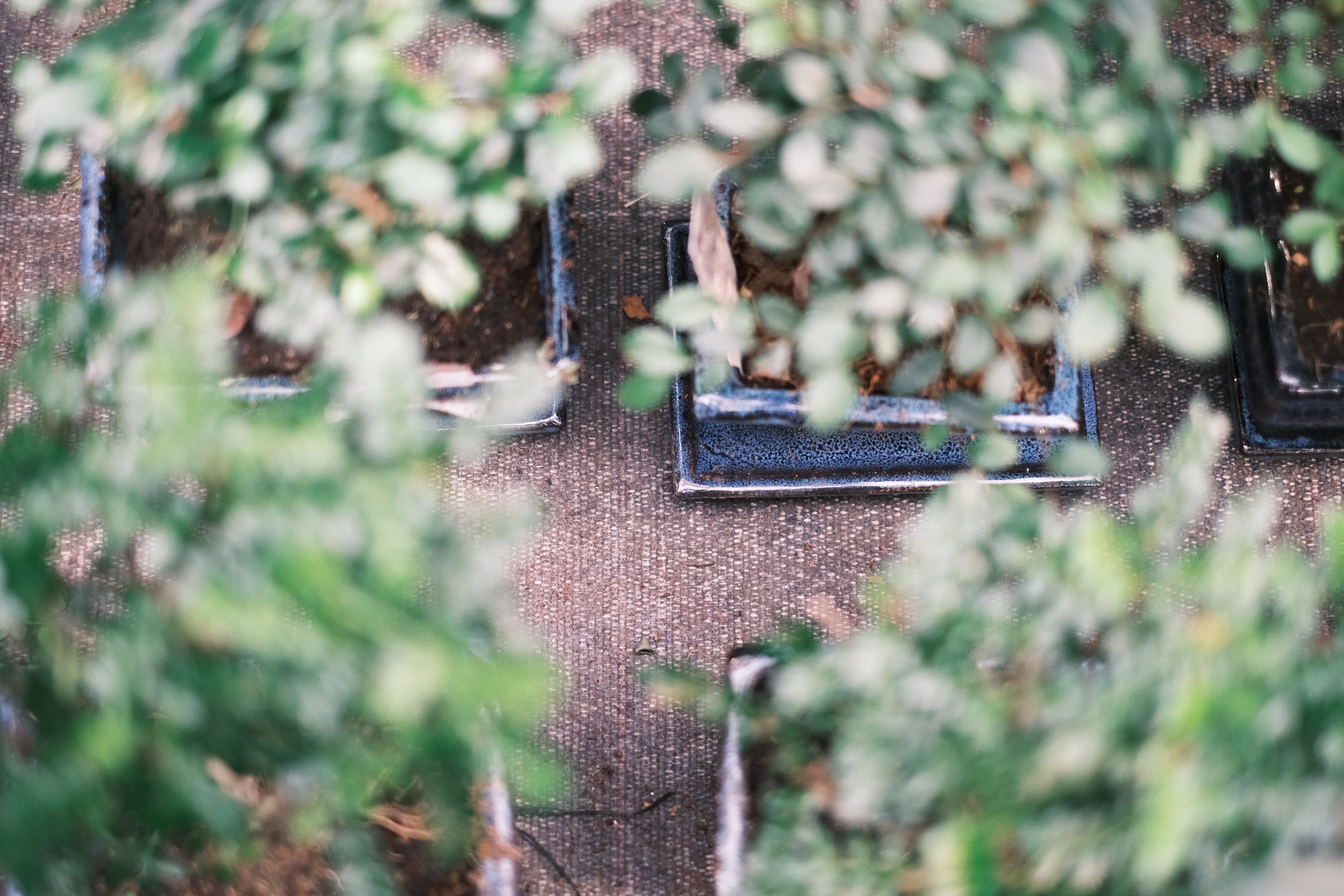
Hedges are the most heavily managed planting in most gardens and the least often thought about. Almost every hedge failure comes from a mismatch between the species and the way it is cut.
Cutting is what makes a hedge a hedge
Left alone, hedge plants become trees or large shrubs. Repeated cutting removes the leading shoots and forces growth from buds lower down, which is what produces density.
Species differ in whether they will do this. Plants that readily produce shoots from old wood recover from hard cutting, and those that do not are permanently damaged by it.
This distinction explains why one conifer hedge regrows after being cut back and another develops a brown face that never recovers.
Shape determines light at the base
A hedge cut with vertical sides shades its own lower growth, so the base thins and eventually goes bare while the top thickens.
Cutting with a slight taper, wider at the bottom than the top, lets light reach the base and keeps growth even over the full height.
The same profile sheds snow more readily, which matters for conifers where a heavy fall splays the top open permanently.
Establishment decides the next twenty years
New hedge plants are often left to grow up before being cut, which produces tall, thin plants with a gap at the bottom that cannot be filled later.
Cutting back in the first seasons feels destructive and creates the branching structure the mature hedge depends on, so the early years determine its density permanently.
Spacing matters similarly. Plants set too far apart never knit together at the base, and plants set too close compete and thin themselves out.
Choosing for the conditions and the purpose
Evergreen hedges screen year round and cast dense shade, while deciduous ones let winter light through and change appearance through the seasons.
Some deciduous species hold dead leaves through winter, which gives a degree of screening without the density and root competition of an evergreen.
A mixed native hedge supports far more wildlife than a single-species one and needs less frequent cutting, though it gives a looser line than a formal hedge.
Boundaries involve other people
A hedge on a boundary affects the neighbouring property through shade, root spread and the work of maintaining the far side.
Rules on height, on cutting an overhanging branch and on responsibility for a shared boundary vary by jurisdiction and change over time, so local guidance is worth checking before planting.
The practical point is that a hedge is a long commitment, and a species that will reach a size the position cannot accommodate creates a problem that grows every year.
Also by Ines Cardoso
- Ceilings, and why nobody looks at themDesign & Space
- Growing herbs properlyPlants & Garden
- Buying less in the first placeOrganising
- Choosing and arranging artDesign & Space