Kitchen
Ovens, Hot Spots And Uneven Baking
Domestic ovens vary widely from their set temperature and heat unevenly, which explains most baking failures that look like recipe problems.
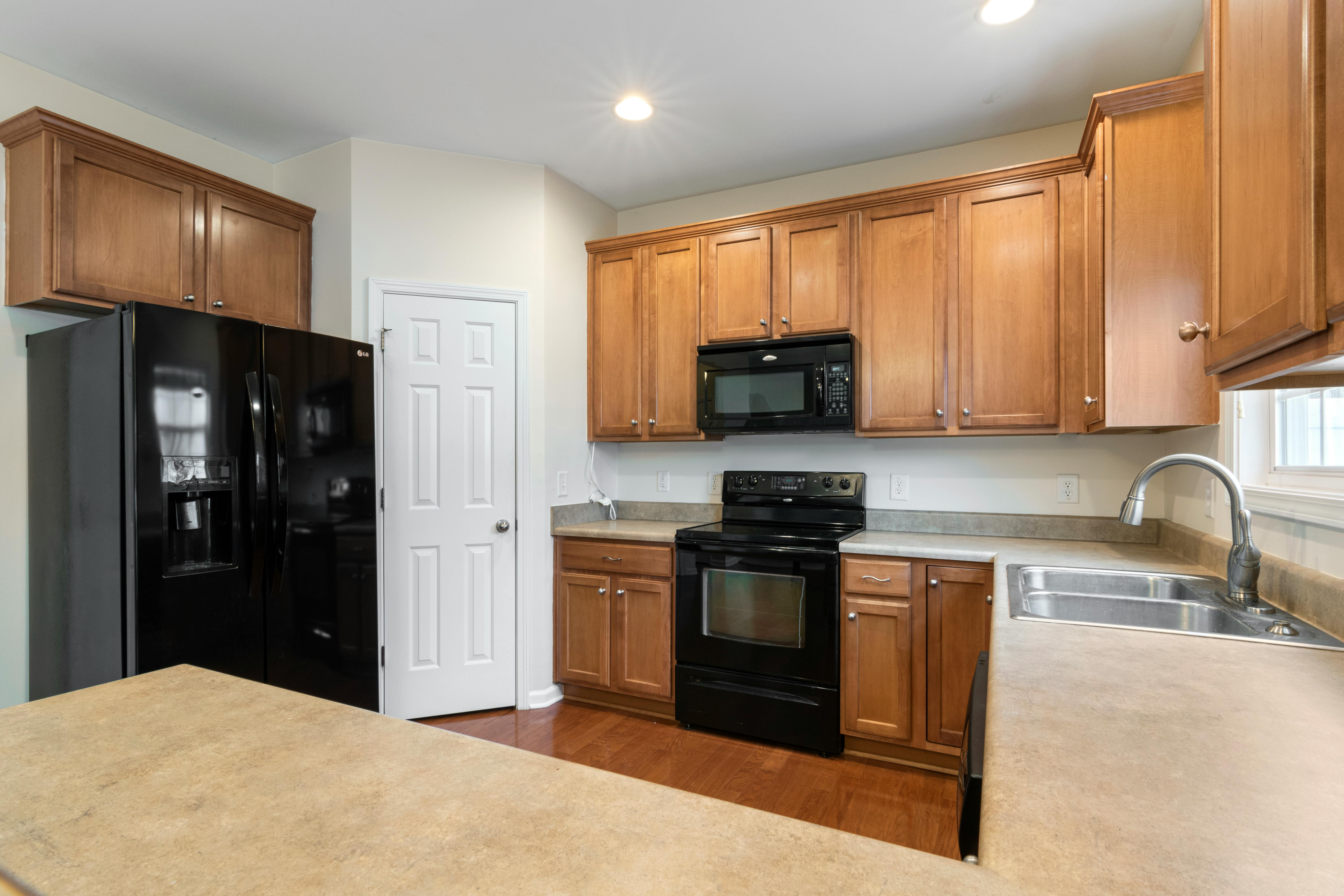
A recipe that works in one kitchen and fails in another usually met a different oven. Domestic ovens are approximate devices, and knowing how yours deviates is more useful than any technique.
The dial is a target, not a measurement
An oven thermostat switches the heating element on and off around a set point, so the actual temperature cycles above and below it continuously.
The average can also be well off the number on the dial, and the offset drifts as the appliance ages, which is why long-owned ovens develop a reputation for running hot or cold.
An independent thermometer left on the middle shelf answers this in one session, and it is the single most useful piece of information about a kitchen.
Heat is not distributed evenly
In a conventional oven the elements are at the top and bottom, and heat rises, so the upper shelf is hotter than the lower one by a meaningful margin.
Fan ovens circulate air to reduce this, which is why they cook faster and why recipes give a lower temperature for them. Circulation is better, not perfect.
Every oven also has hot spots caused by element position and airflow, usually toward the back. Baking a tray of identical items and noting which brown first maps them.
What is in the oven changes its behaviour
A full oven has more mass to heat and blocks airflow, so it takes longer to recover after the door opens and cooks less evenly than a half-empty one.
Trays and dishes matter more than expected. Dark metal absorbs radiant heat and browns bases quickly, while glass and ceramic heat slowly and hold heat afterwards.
Opening the door drops the temperature sharply, and the recovery takes minutes rather than seconds, which is why delicate items are checked through the glass instead.
Preheating is doing more than reaching temperature
The indicator light usually signals that the air has reached the set point, while the oven walls and shelves are still well below it.
Those surfaces radiate heat directly onto the food, so putting something in at the moment the light goes out gives less heat than the recipe assumed.
Allowing extra time after the light changes, particularly for bread and pastry that depend on an initial burst of heat, corrects a common and invisible source of failure.
Adapting rather than fighting it
Once the offset and the hot spots are known, the practical response is to adjust the dial and to rotate trays partway through rather than to trust the recipe exactly.
Judging by appearance and by internal temperature rather than by time makes recipes portable between ovens, since the finished state does not vary even though the route to it does.
Where an oven cannot hold a temperature at all, or the difference between shelves is extreme, the fault is usually the thermostat or the door seal and is worth having checked.
Also by Ines Cardoso
- Ceilings, and why nobody looks at themDesign & Space
- Growing herbs properlyPlants & Garden
- Buying less in the first placeOrganising
- Choosing and arranging artDesign & Space