Plants & Garden
Repotting, Roots And Pot Size
Moving a plant into a much larger pot causes more harm than leaving it slightly cramped, because unoccupied compost stays wet and roots suffocate.
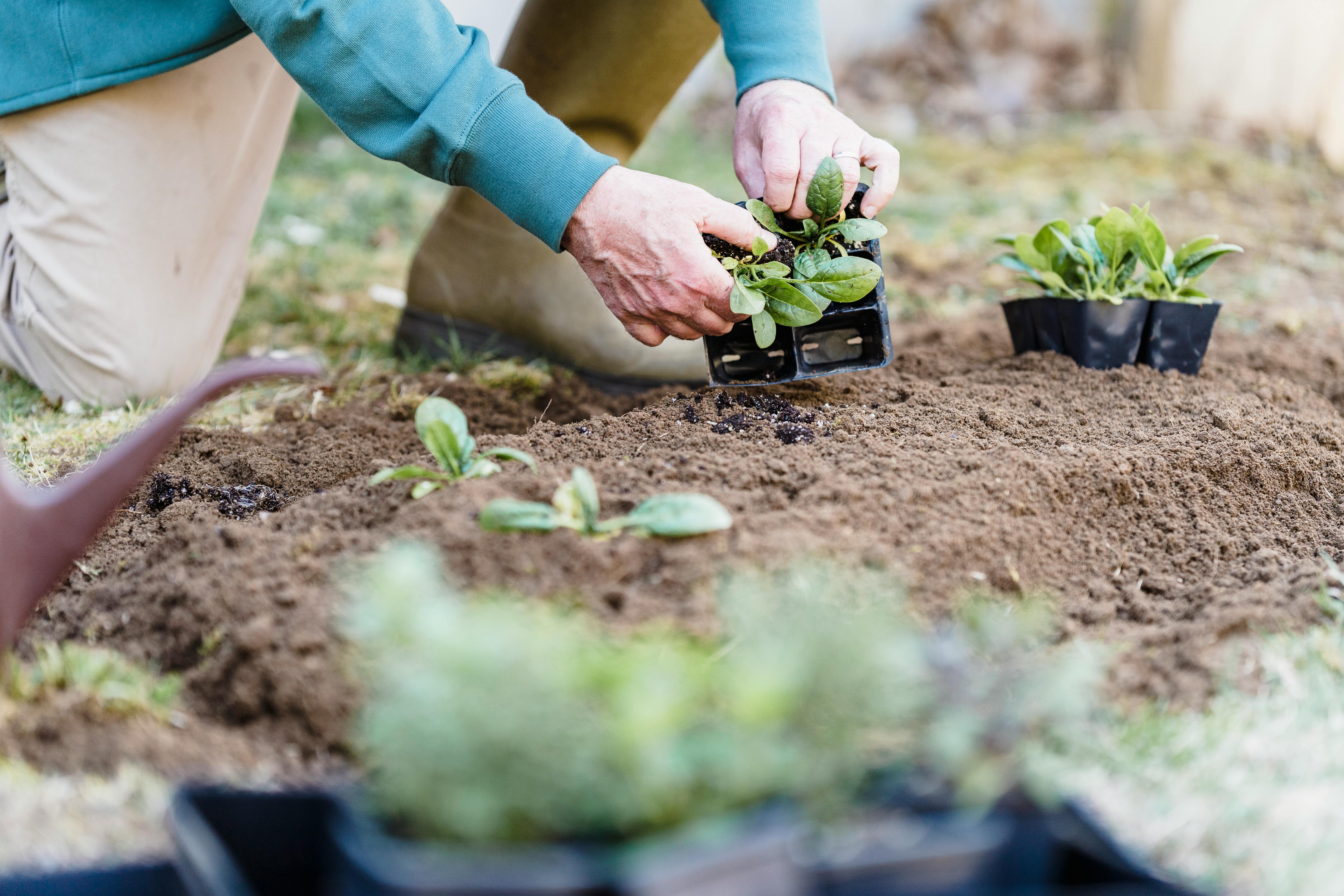
Repotting is routinely done too soon, too large and at the wrong time of year. The reasons a plant declines afterwards are mechanical rather than mysterious.
Roots need air as well as water
Root cells respire, taking in oxygen from the air spaces between particles of compost. When those spaces are permanently filled with water, the roots cannot function.
Root death from waterlogging looks exactly like drought, because a plant with damaged roots cannot take up water regardless of how much is present.
This is why the most common response to a wilting plant, which is to water it more, frequently finishes it off.
Oversized pots stay wet
A plant only draws water from the volume its roots occupy. Compost beyond that reach dries only by evaporation, which is slow in the middle of a large pot.
The result is a wet, airless zone surrounding a small root ball, and the roots will not grow into it because the conditions there are hostile.
Moving up one size at a time keeps the ratio of roots to compost reasonable, so the whole volume dries at a rate the plant can drive.
Knowing when a plant actually needs it
Roots emerging from the drainage holes, water running straight through, and a plant that dries out within a day or two all indicate the pot is genuinely full.
Slowed growth on its own is not evidence, since it more often reflects the season, the light or exhausted nutrients in the existing compost.
Sliding the plant out and looking is the definitive test, and a root ball that holds its shape with roots circling the outside is ready.
Technique at the moment of repotting
Circling roots continue to circle unless they are disturbed, so teasing them out or cutting the outer layer encourages growth into the new compost.
Planting at the same depth matters, since burying the stem base leads to rot in many species and exposing the upper roots dries them out.
Firming the compost removes large air pockets without compacting it, and watering afterwards settles it far more effectively than pressing hard.
Timing and aftercare
Repotting is best done as growth begins, because the plant can replace disturbed roots quickly, while the same operation in dormancy leaves damaged roots sitting in wet compost for months.
Feeding immediately afterwards is unnecessary, since fresh compost usually contains enough nutrients for the first weeks and damaged roots take up fertiliser poorly.
A short period in slightly lower light with steady moisture reduces stress while new roots establish, after which normal conditions can resume.
Also by Ines Cardoso
- Ceilings, and why nobody looks at themDesign & Space
- Growing herbs properlyPlants & Garden
- Buying less in the first placeOrganising
- Choosing and arranging artDesign & Space