Kitchen
Sheet Pans, Warping And Uneven Browning
Sheet pans buckle in a hot oven because thin metal expands unevenly, and the same thinness explains why cookies brown differently on different pans.
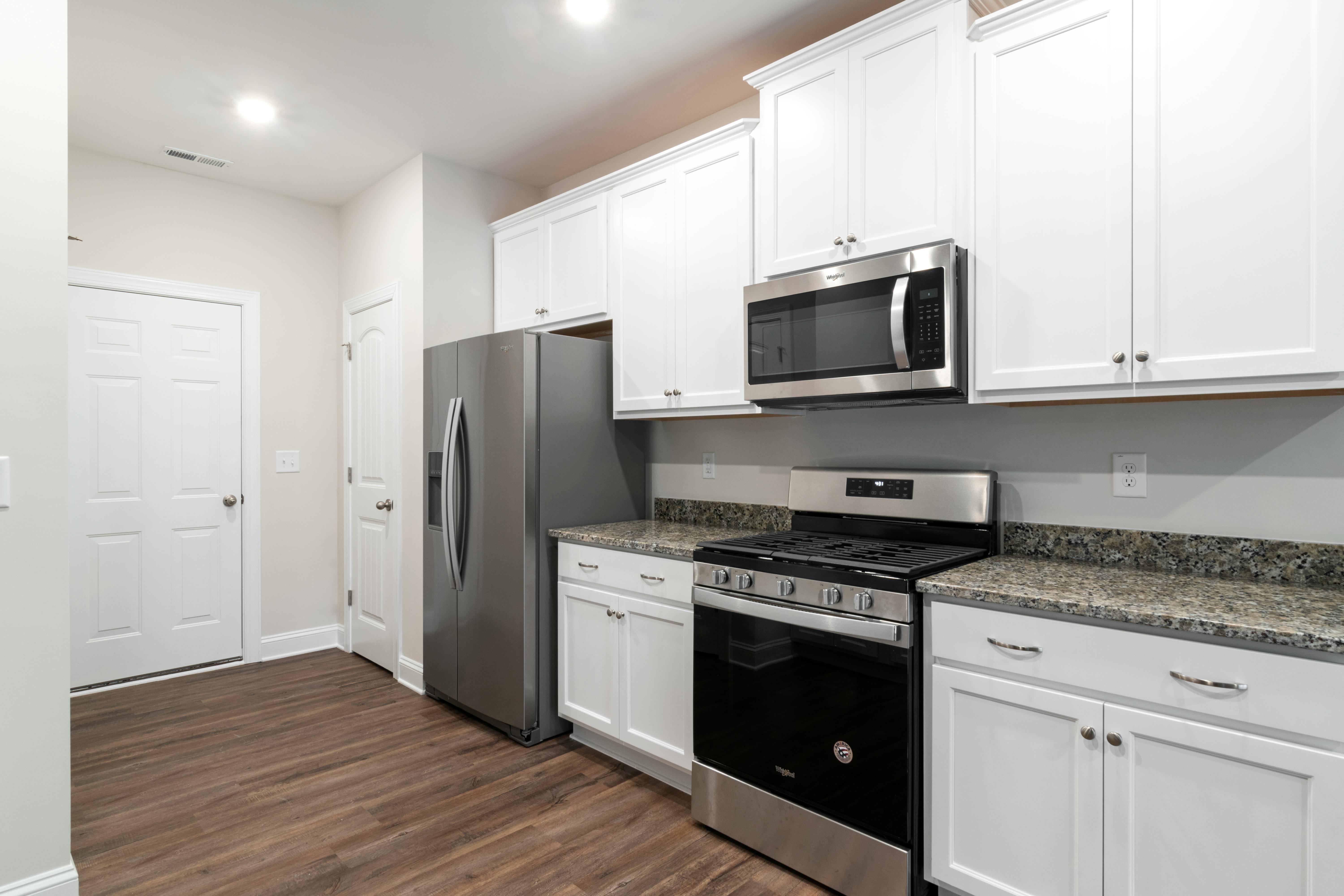
A sheet pan that pops and buckles partway through preheating is responding to uneven expansion, not to a defect. The same property that causes the noise also governs how evenly food browns on it.
What the popping sound actually is
Metal expands as it heats. In a thin sheet pan the parts nearest the heating element warm faster than the rest, so one region tries to grow while the surrounding metal has not yet.
The sheet relieves that stress by flexing, which happens suddenly and makes a loud crack. It usually flexes back as the pan reaches an even temperature.
Repeated cycles can leave a permanent bow, particularly in lighter-gauge pans. Heavier aluminum sheets resist this because there is more metal to absorb the difference.
Color of the pan changes the browning
Dark surfaces absorb radiant heat more readily than light ones. A dark pan therefore runs hotter at the point where it touches the food than a shiny aluminum pan in the same oven.
The effect shows up on the underside first. Cookie bottoms on dark pans set and brown sooner, which is why the same dough and time can produce different results.
Neither is wrong, but they are not interchangeable. A recipe developed on light aluminum will run a little fast on nonstick dark steel.
Rimmed and rimless pans do different jobs
A rim holds rendered fat and juices on the pan, which is essential for roasting vegetables or anything that releases liquid. It also blocks a small amount of air movement at the edge.
Rimless cookie sheets let hot air pass across the surface freely and make it easy to slide baked goods off. They are poor choices for anything that might run.
Crowding turns roasting into steaming
Vegetables release water as they cook. If the pan is full, that moisture cannot escape fast enough and the surface temperature of the food stays near the boiling point of water.
Browning requires a surface hot enough to drive off moisture and then react, which cannot happen while the piece is still wet. The result is soft and pale rather than crisp.
Spreading the same quantity across two pans usually fixes it entirely. Space between pieces is doing real work, not just looking tidy.
Why one corner of the oven always runs hotter
Home ovens cycle their heating element on and off around a set point, and the air inside is rarely uniform. Racks, walls and the door glass all affect local temperature.
Rotating a pan halfway through evens out that difference far more effectively than adjusting the temperature dial. It costs nothing and is the simplest correction available.
If one edge consistently burns, the pan is sitting too close to an element and moving the rack a level will do more than any change to the recipe.
Also by Ines Cardoso
- Ceilings, and why nobody looks at themDesign & Space
- Growing herbs properlyPlants & Garden
- Buying less in the first placeOrganising
- Choosing and arranging artDesign & Space