Kitchen
Why Nonstick Coatings Wear Out
Nonstick pans lose their release over a few years because the coating is a thin surface layer that heat, metal tools and dishwasher chemistry gradually degrade.
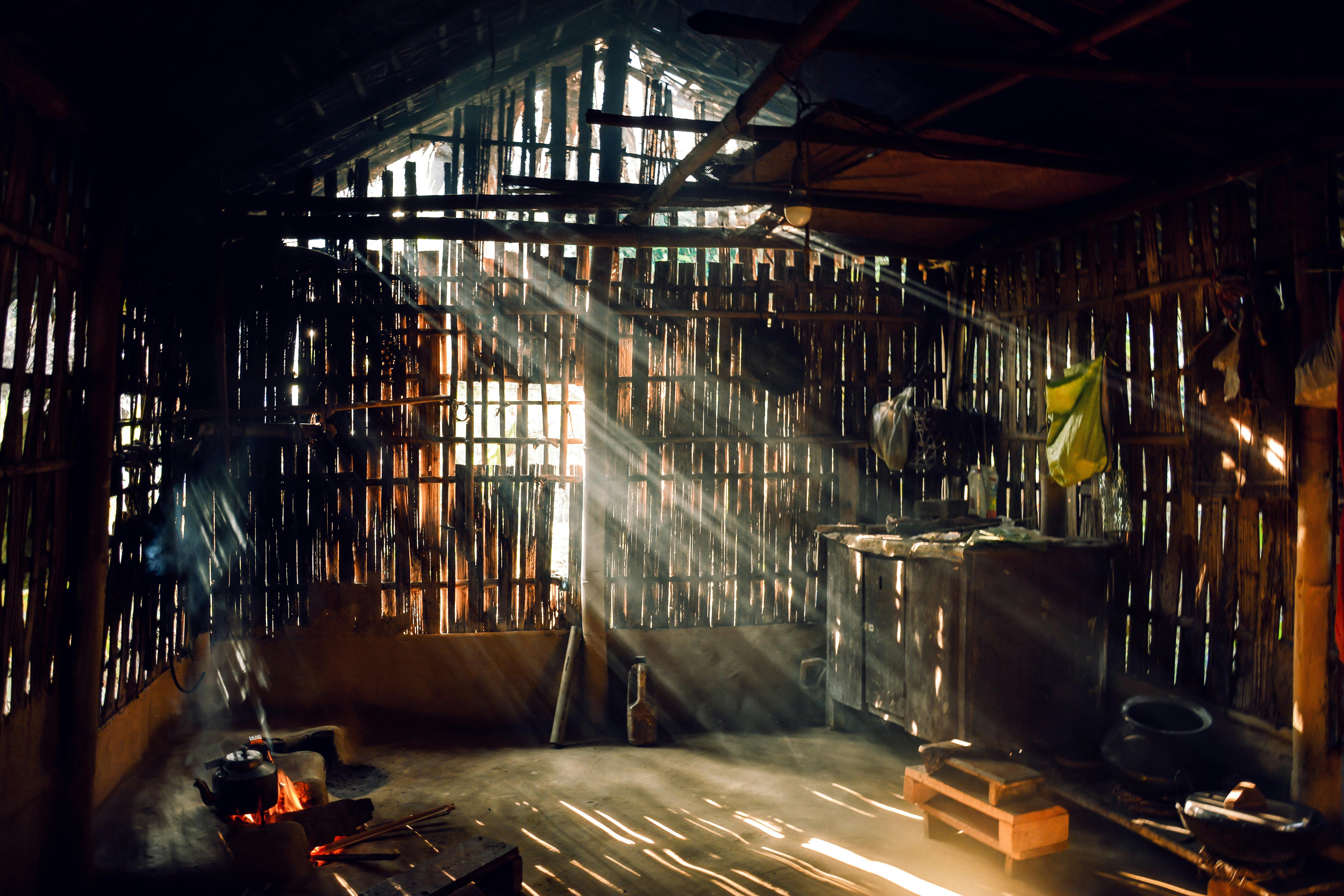
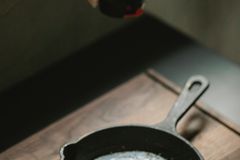
A nonstick skillet that released eggs perfectly when new will usually start dragging within a few years of regular use. The coating has not been used up so much as damaged, and the ways it gets damaged are predictable.
The coating is a thin layer, not a material
A nonstick pan is aluminum or steel with a polymer coating bonded to the surface. That coating is very thin, and everything nonstick about the pan depends on it staying intact.
Because the layer is thin, wear that would be invisible on bare metal matters here. A scratch does not just mark the surface, it removes the functional part of it.
This is why nonstick pans have a service life while cast iron and stainless do not. You are maintaining a coating rather than maintaining metal.
Heat is the main cause of degradation
Nonstick coatings are stable across normal cooking temperatures but begin to break down when a pan is pushed well beyond them. An empty pan on high heat climbs very fast.
Preheating dry is the common mistake. Food and fat absorb energy and hold the surface down near their own cooking range, so a loaded pan runs much cooler than a bare one.
Repeated overheating does not show as an obvious failure. The surface dulls, becomes slightly tacky, and the release simply gets worse each month.
Metal tools and stacking do mechanical damage
Sharp-edged spatulas and whisks cut into the coating, and so does anything abrasive used to scrub it. Silicone, nylon and wood spread their load over a wider contact area.
Storage causes as much damage as cooking. Pans nested inside one another grind rims against coated surfaces every time the stack is moved or lifted.
A cloth, paper towel or pan protector between nested pans removes most of that wear at no cost. It is the cheapest thing you can do for a nonstick pan.
Dishwashers shorten the life more than washing does
Dishwasher detergents are strongly alkaline and are designed to attack baked-on residue chemically rather than mechanically. That chemistry is harder on a coating than dish soap and a sponge.
The heated dry cycle adds a second stress, holding the pan hot in a dry environment for an extended period. Hand washing avoids both.
Why thermal shock warps the base
Running a hot pan under cold water cools the outer surface faster than the core, and the metal contracts unevenly. The base can bow slightly.
A bowed base no longer sits flat on a burner or an electric coil, so heat reaches the food through a smaller contact patch and cooking becomes uneven.
At that point the pan cooks badly even where the coating is still sound, which is why letting a pan cool before washing matters as much as how you wash it.
Also by Ines Cardoso
- Ceilings, and why nobody looks at themDesign & Space
- Growing herbs properlyPlants & Garden
- Buying less in the first placeOrganising
- Choosing and arranging artDesign & Space