Kitchen
Why The Same Recipe Behaves Differently
Recipes assume conditions that vary between kitchens, so pan size, ingredient moisture and heat source change the outcome more than technique does.
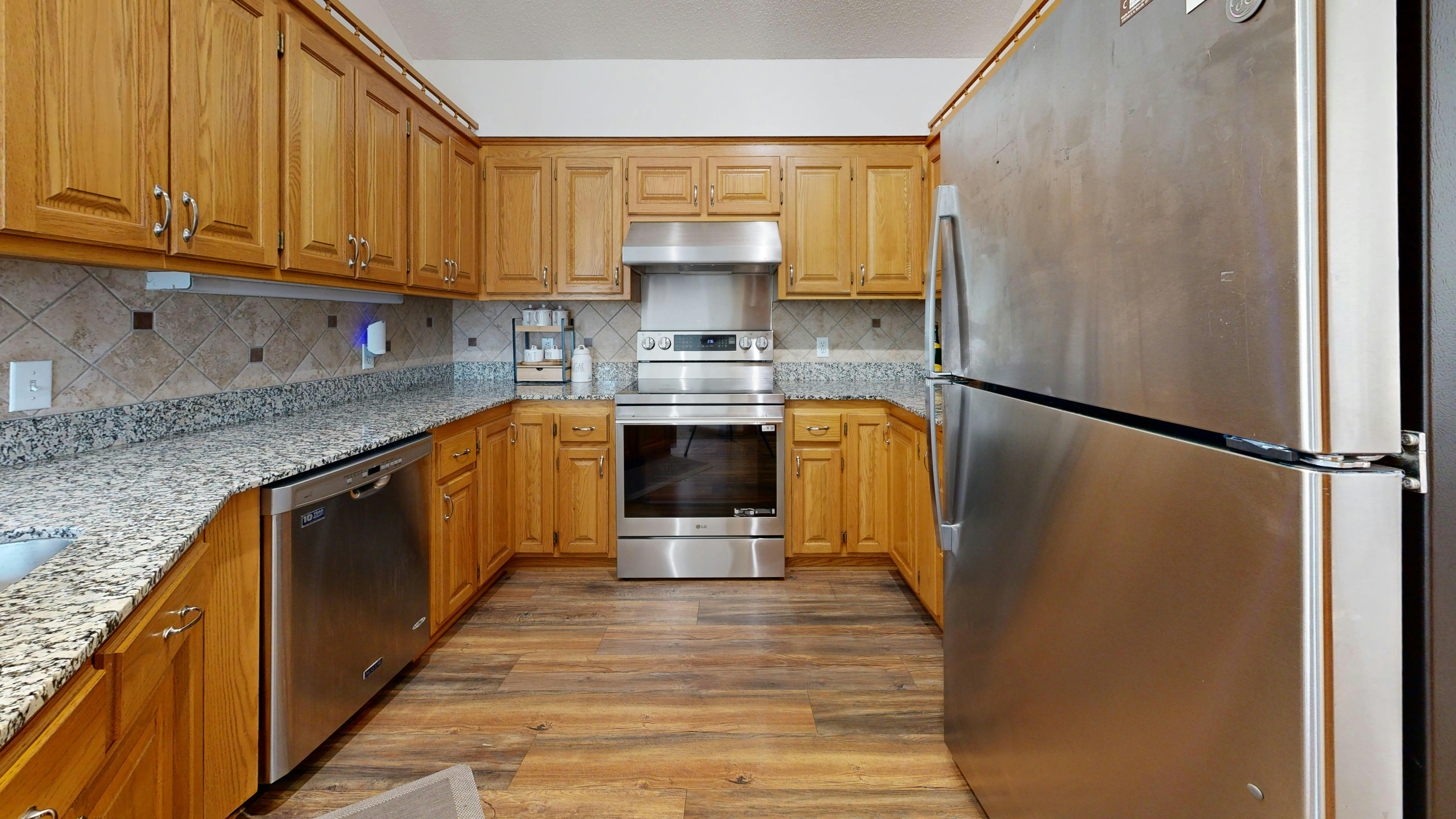
A recipe is a description of what happened in someone else's kitchen. The variables it leaves unstated are usually the ones that decide whether it works in yours.
Ingredients are not standardised
Flour absorbs different amounts of water depending on the wheat, the milling and the humidity it has been stored in, which is why bread dough varies with the same recipe and weights.
Vegetables and fruit vary in water content by season and variety, so a sauce that reduced in twenty minutes once can take twice that from a wetter batch.
Salt is the worst offender, since flake and fine salts differ enormously in how much fits in a spoon, and a recipe that specifies volume rather than weight is ambiguous.
Pan size changes the physics
A wide pan exposes more surface area, so liquid evaporates faster and a mixture reduces and browns more quickly than the same quantity in a narrow one.
Depth changes how heat reaches the middle. A deep layer insulates itself, which is why a doubled tray of roasted vegetables steams instead of browning.
Material matters too. Thin pans respond quickly and scorch, while heavy ones hold temperature through the addition of cold ingredients, which is a substantial difference in any fast cooking.
Heat sources are not equivalent
A gas flame heats the base and the sides, an induction hob heats only the area of the pan in contact, and electric plates hold heat long after being turned down.
This means the instruction to reduce the heat produces three different results, and the electric hob keeps cooking for minutes after the dial moves.
The practical response is to cook to visual and audible cues rather than to settings, since the sound of a pan is a more reliable indicator than any number.
Starting temperature is rarely stated
Meat straight from the fridge cooks differently from meat that has stood, because the exterior overcooks while the centre catches up.
Butter, eggs and dairy at room temperature emulsify and aerate in ways that cold ones do not, which is behind a large share of baking failures.
Recipes often assume the ingredients were already out on the bench, since that is how the person writing it was working, and the assumption goes unrecorded.
The kitchen itself is a variable
Ambient temperature governs how quickly dough proves, how butter behaves in pastry and how fast anything cools, so the same method gives different timings in winter and summer.
Humidity affects sugar work, frying and anything that needs to dry, which is why some techniques feel unreliable without any obvious change in method.
Treating times as estimates and the described end state as the actual instruction makes recipes portable, because the finished condition is the only part that does not vary.
Also by Ines Cardoso
- Ceilings, and why nobody looks at themDesign & Space
- Growing herbs properlyPlants & Garden
- Buying less in the first placeOrganising
- Choosing and arranging artDesign & Space